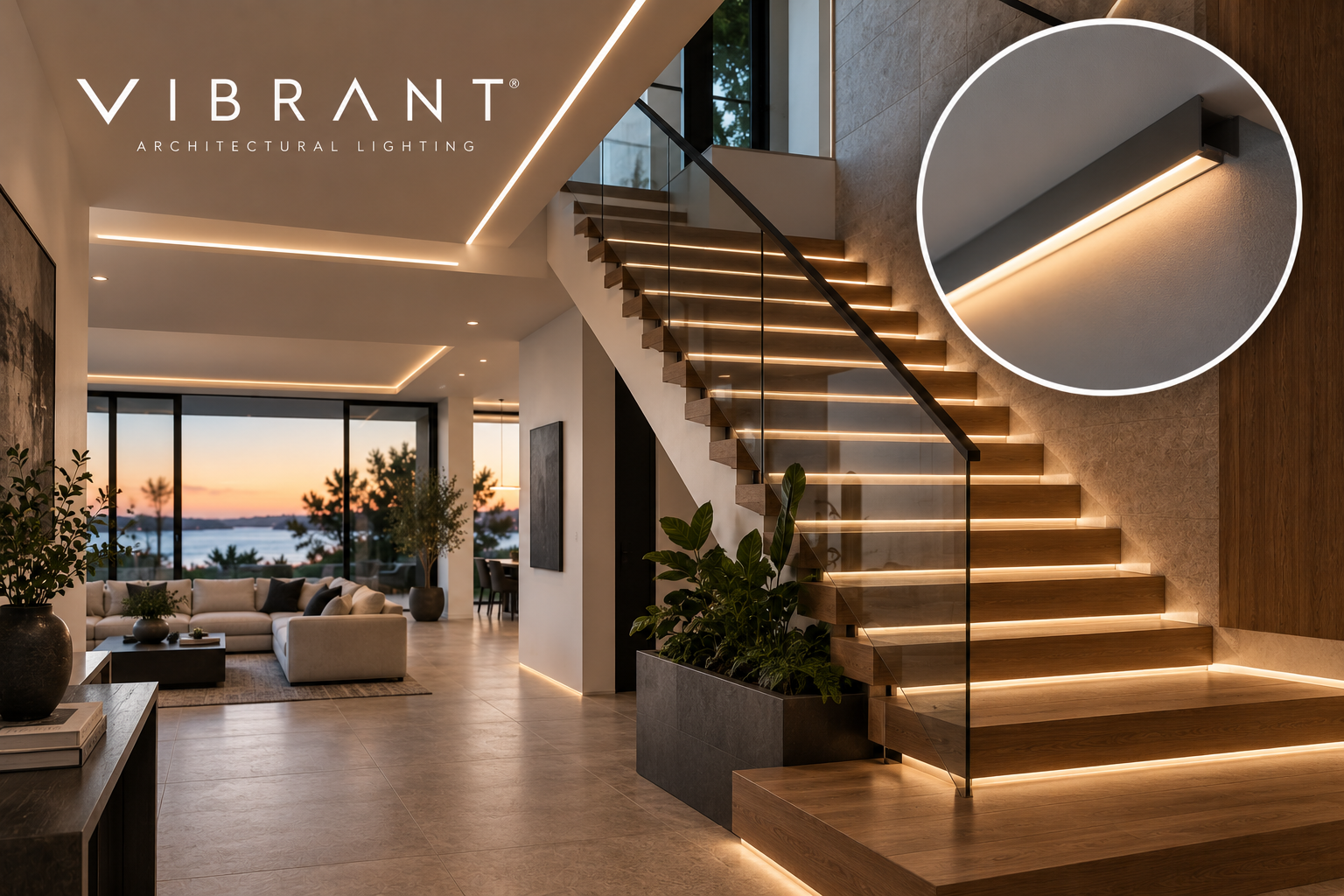

A distributor-branded lighting line
ADI is a major distributor serving the professional technology channel. Its Vibrant line includes smart bulbs and recessed trim lighting positioned within a wider Control4 and ADI ecosystem. That makes the brand worth considering as a deployment tool rather than evaluating it by the same criteria used for a small architectural-lighting studio.
The distinction is important. A distributor-branded line may be attractive because products are accessible through an established professional supply chain. It may also offer consistent trim and finish options that make repeat specification easier across many rooms.
Curious what this looks like in your own house?Contact the Daisy Gulf Coast team to understand the possibilities.
Where scale changes the decision
Large homes create a different lighting problem from a single-room renovation. The designer may need dozens of fixtures with consistent color, finish, output, and replacement availability. A product that is simple to source and repeat can reduce variation across a project.
The tradeoff is that scale should not flatten the architecture. A kitchen, hallway, porch, and bedroom need different beam control and light levels even when the fixture families share a visual language. Standardization is useful when it supports the design, not when it replaces it.
Fixture, bulb, and control are separate choices
Vibrant products should be considered alongside the control platform, not as a substitute for one. A smart bulb can change intensity or color, while the fixture determines how the light is distributed and how the source sits in the ceiling. Control4 or another platform determines how the lighting participates in scenes.
That separation helps a homeowner compare the system honestly. A recessed trim may be the right visual choice, but the project still needs decisions about dimming, color consistency, service access, and how the light relates to shades and daylight.
The right fit for a larger build
Vibrant is most interesting when a project values repeatability, professional availability, and a clear path into a broader control ecosystem. It may be less compelling for a room whose success depends on highly specialized optics or a one-off decorative fixture.
The line’s larger lesson is practical. A big project needs a lighting supply strategy, not just a collection of attractive fixtures. Consistency, service, and integration should be considered at the same time as appearance.
A big project needs a lighting supply strategy, not just a collection of attractive fixtures.