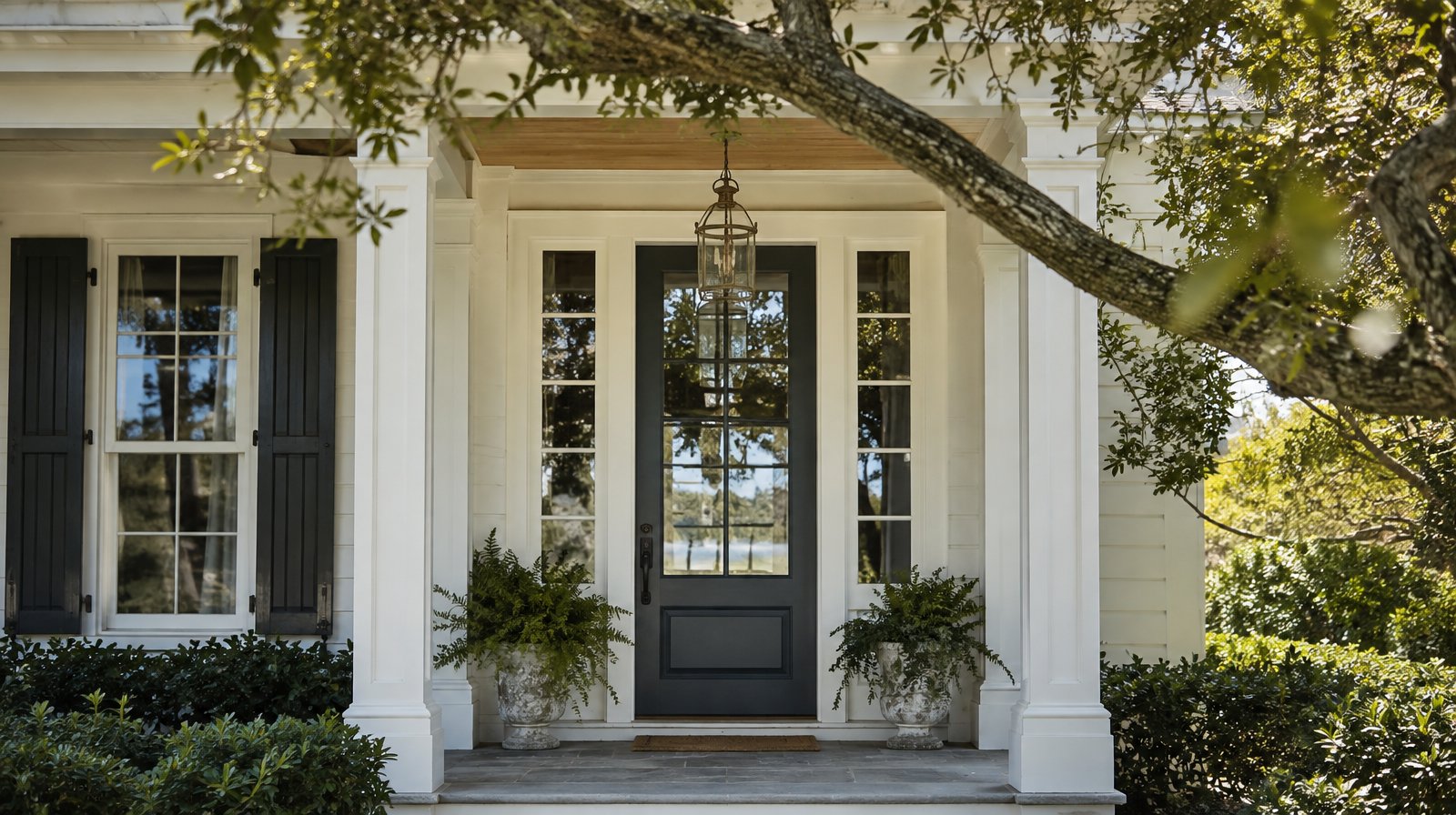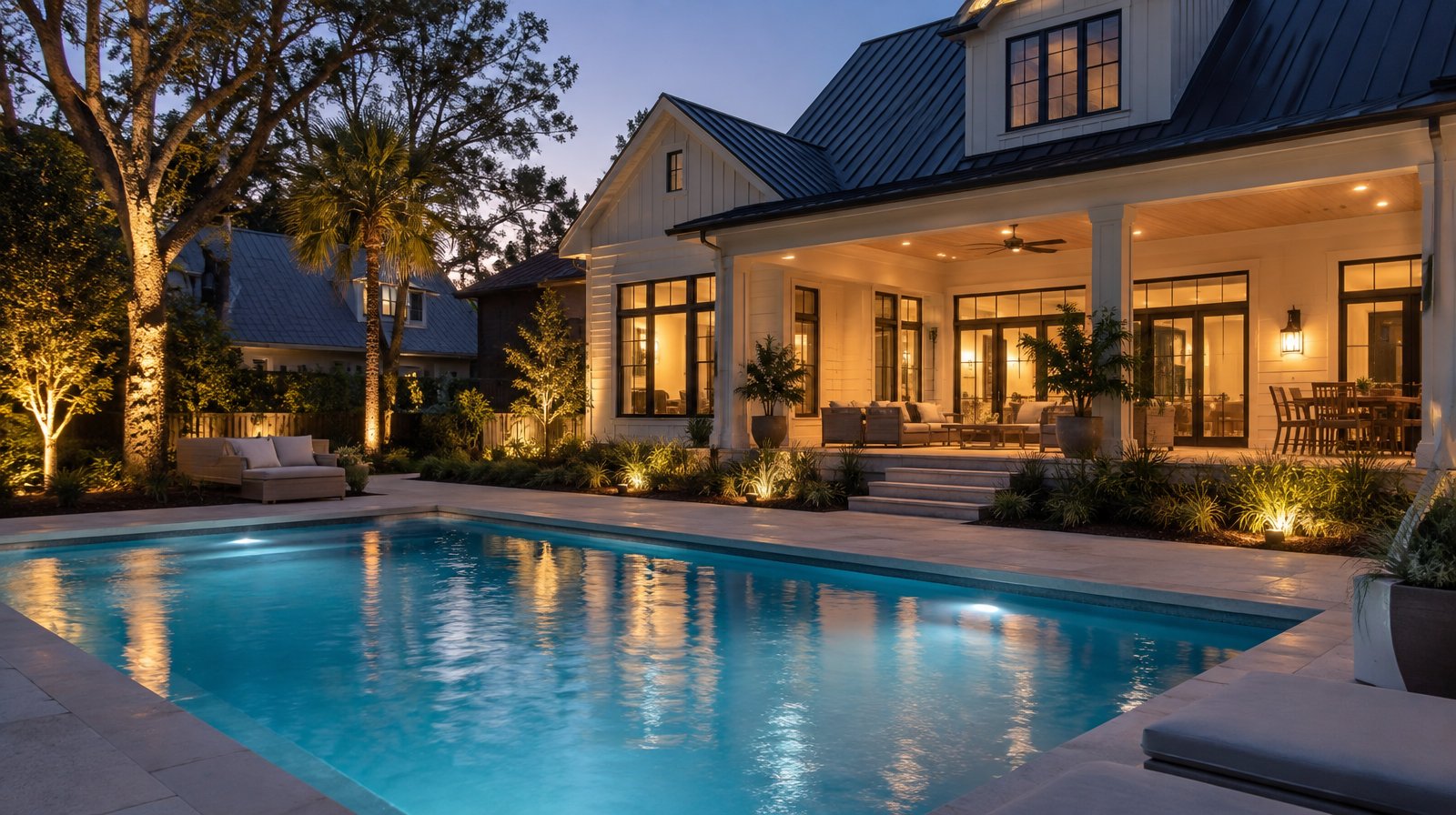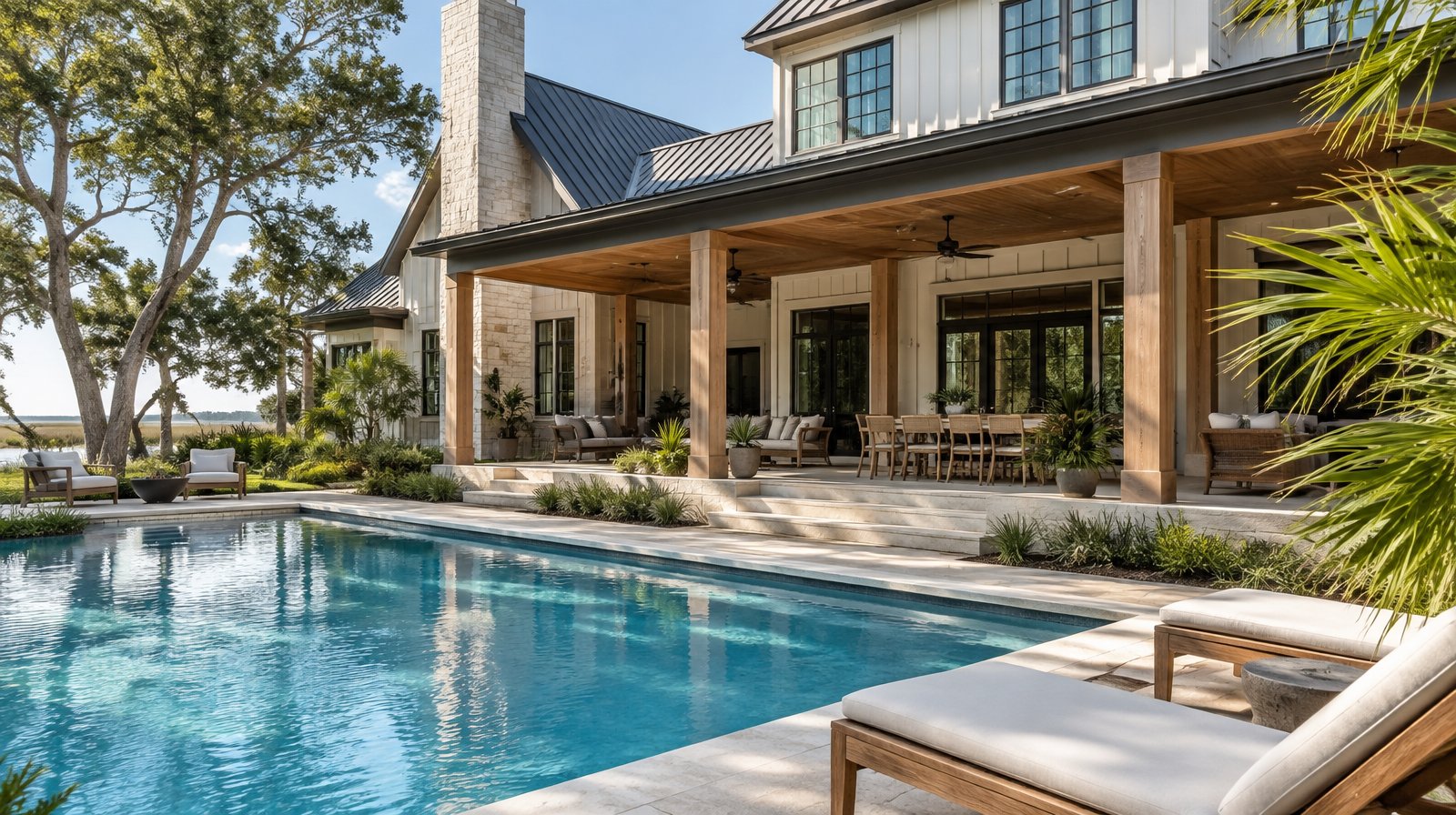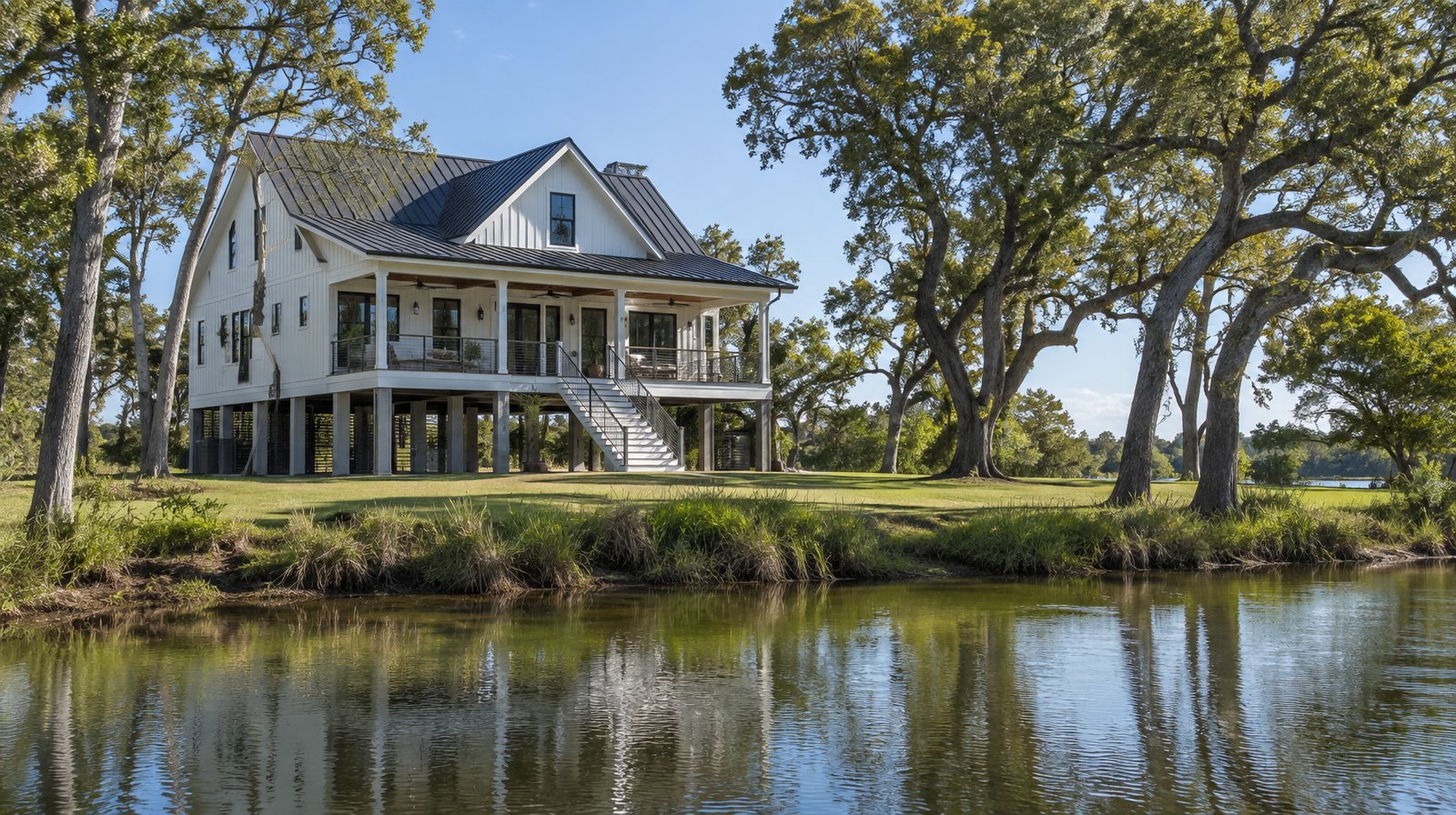
Start with the window
Automated shades are often discussed as a motor question, but the motor is only one part of the decision. The window determines the exposure, the view, the privacy problem, the available mounting space, and the amount of coordination required with the rest of the room.
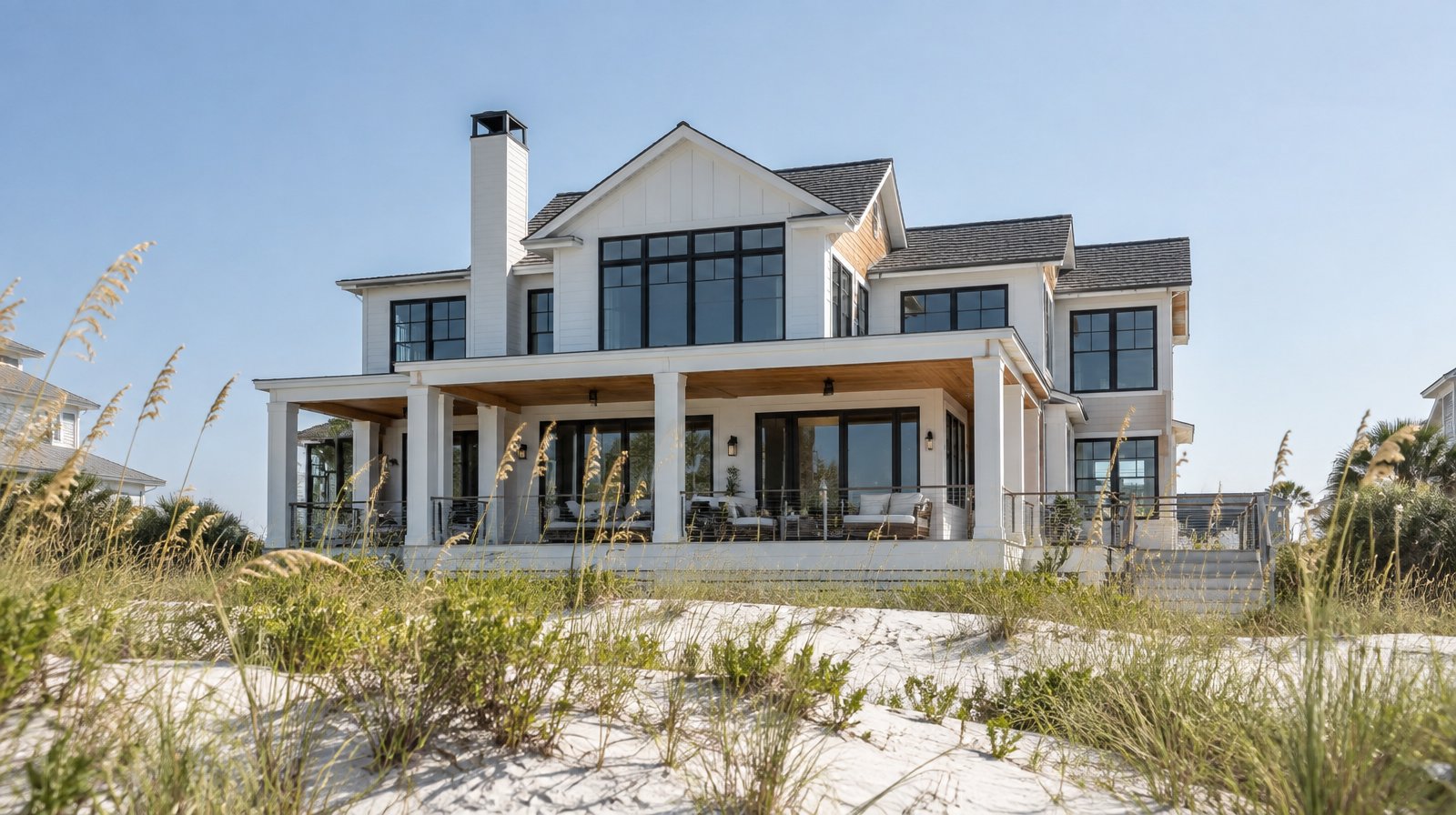
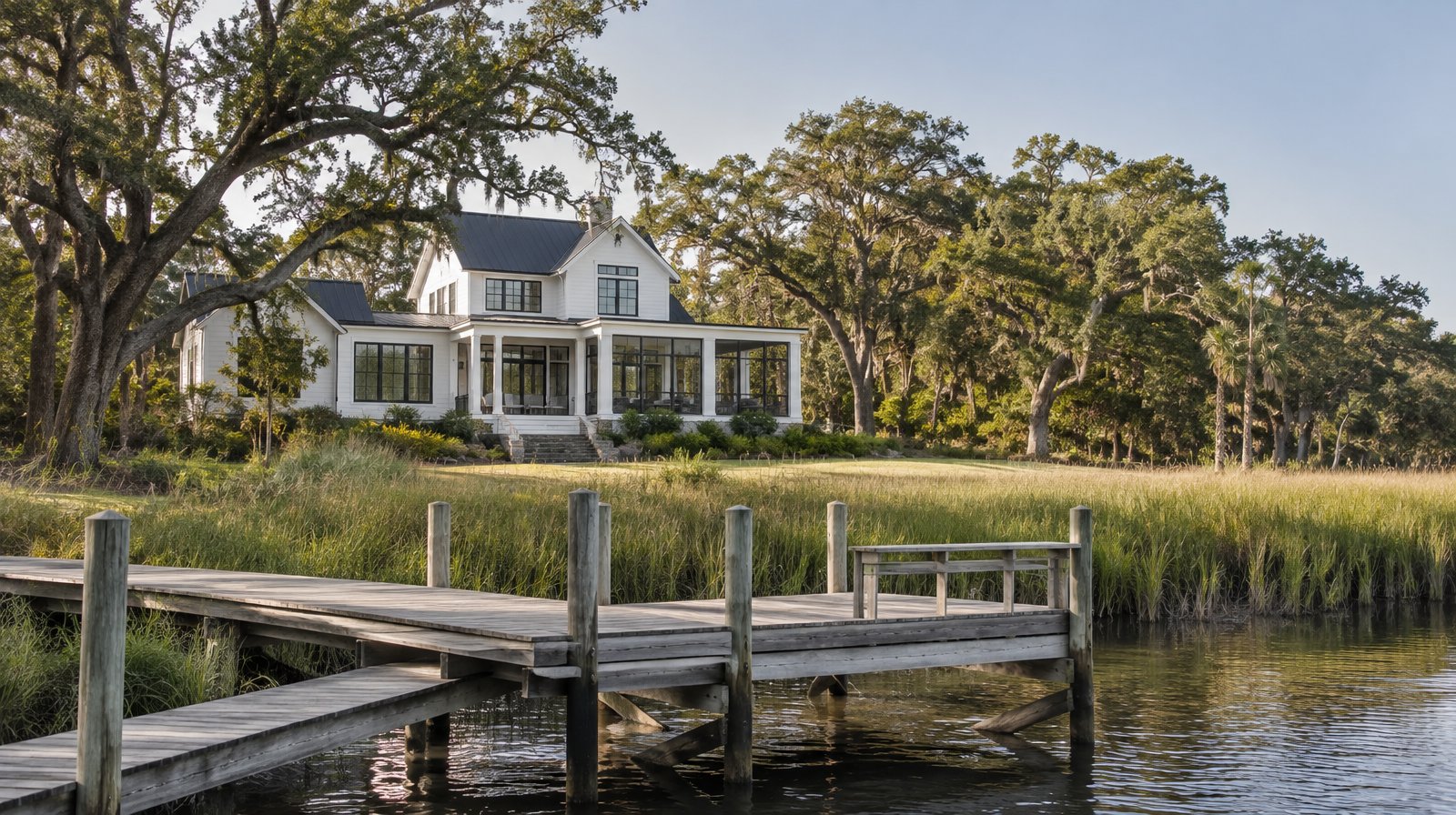
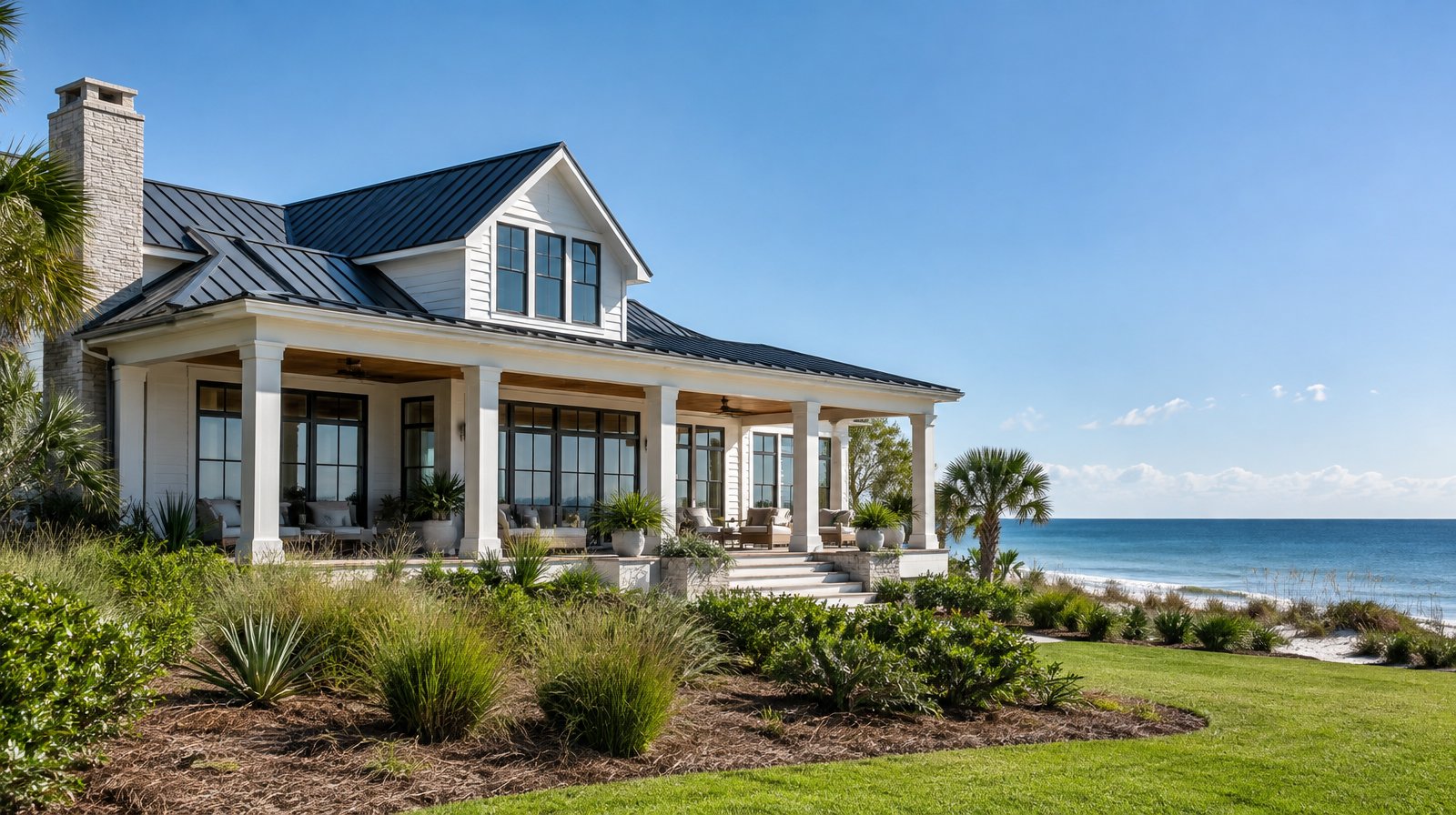
In a Gulf Coast home, that may mean strong western sun, humid conditions, broad glass facing a porch, or original trim that cannot be casually altered. The best brand comparison starts after those conditions are understood.
If this is the kind of system you’re picturing in your own home, Daisy designs and installs work like this on the Gulf Coast.
Curious what this looks like in your own house?Contact the Daisy Gulf Coast team to understand the possibilities.
Lutron
Lutron is best known for bringing lighting and shades into a coordinated residential control system. That makes it especially relevant when the homeowner wants daylight, electric light, and scenes to work together rather than live in separate interfaces.
Its strength is the larger system view. A shade can respond to time of day, a room scene, or a manual control without feeling like an isolated motorized accessory. The tradeoff is that the project benefits from early planning, thoughtful control locations, and a clear understanding of how much of the home will be coordinated.
Somfy
Somfy has a broad presence in motorized shades and blinds, with multiple motor and control approaches. It can be a useful choice for projects focused primarily on window treatment, and it can also participate in a larger connected-home design.
Somfy becomes particularly relevant when the window treatment itself is the main decision. Fabric, mounting, motor noise, power access, and the installer’s experience may matter more than the logo on the control interface.
A third category of option
Some projects are better served by a shade fabricator, motor platform, or control layer selected around the specific window rather than by a single dominant ecosystem. This can make sense in selective retrofits, rooms with unusual geometry, or homes where only a few openings need automation.
The important distinction is between a platform that can coordinate with the home and one that merely moves the shade. Both can be valid. They solve different problems.
Battery or hardwired?
Battery-powered shades may reduce disruption in an existing home, especially when finished walls and historic trim need to remain intact. They still require access for service and a plan for battery replacement.
Hardwired shades usually make more sense when the project is open, the windows are numerous, or the shade pockets can be coordinated with the architect. The wiring is easier to conceal when it is planned before drywall, trim, and ceiling finishes.
The right platform is the one that matches the window first and the homeowner’s larger control strategy second. A brand name can narrow the field, but it cannot choose the fabric, the mounting detail, or the moment when a shade should move.
Want effortless luxury in your home? Daisy designs whole-home automation across the Gulf Coast, from a single automated room to a full build. Reach out to start the conversation.
The right platform is the one that matches the window first and the homeowner’s larger control strategy second.