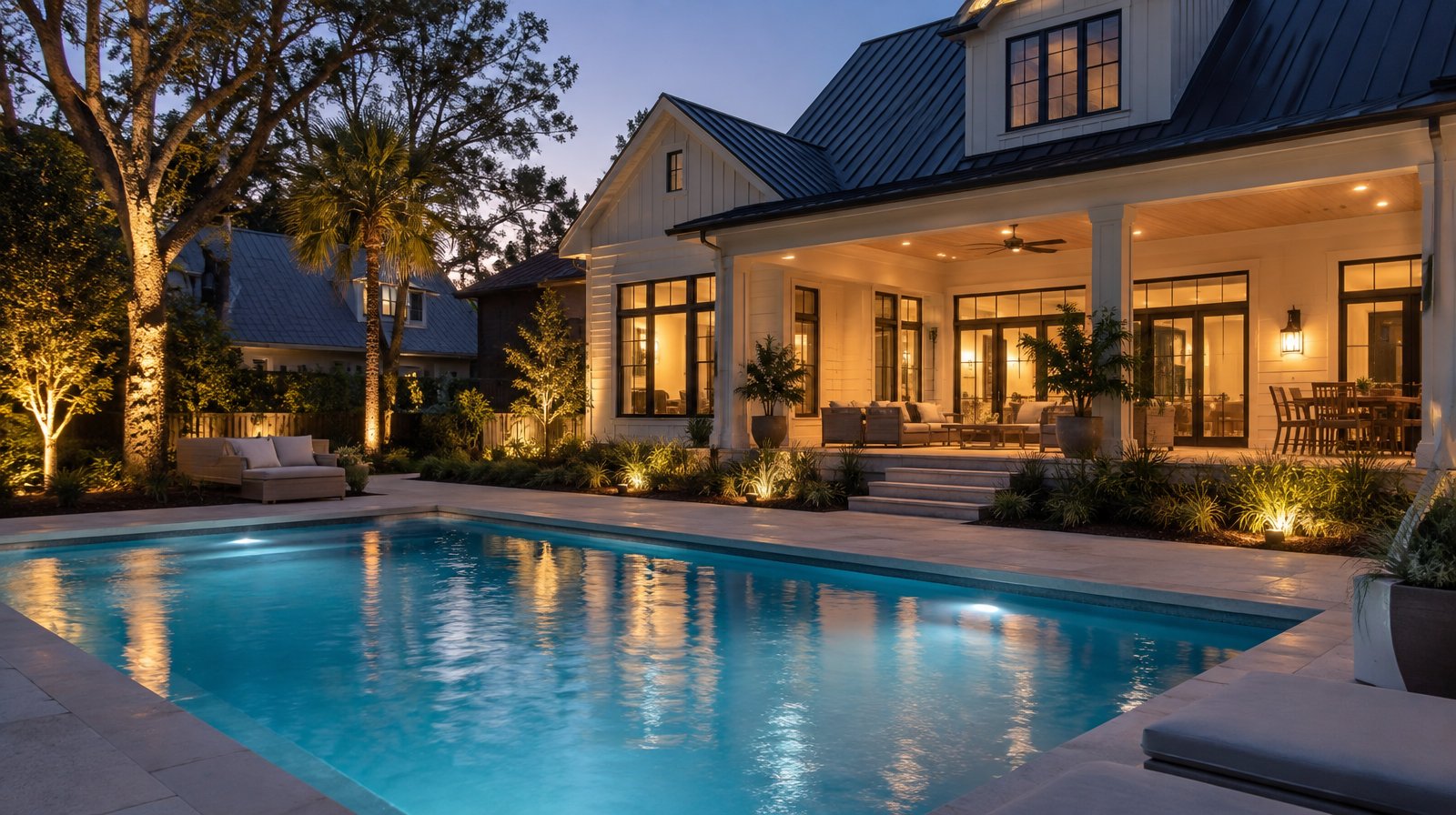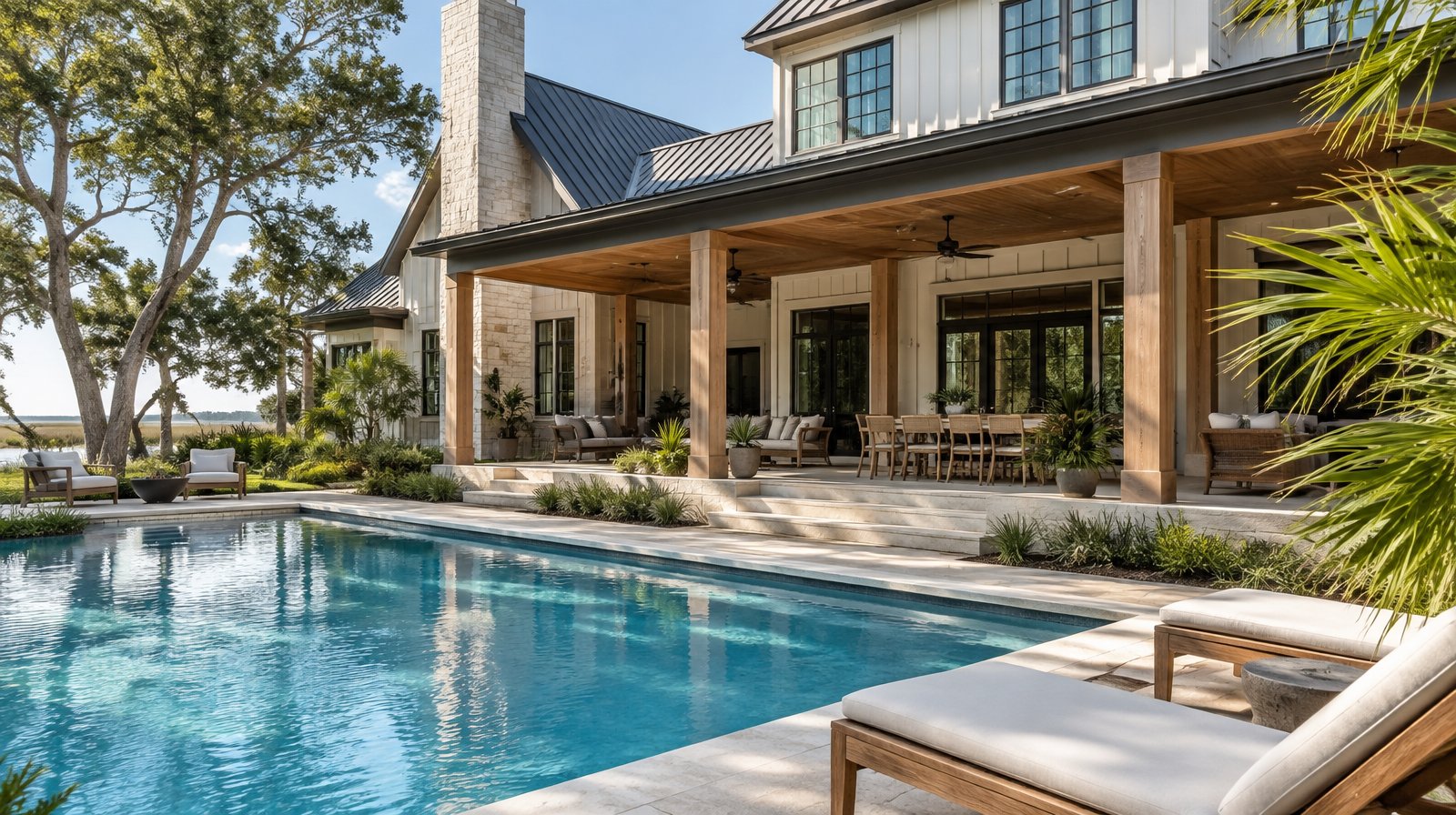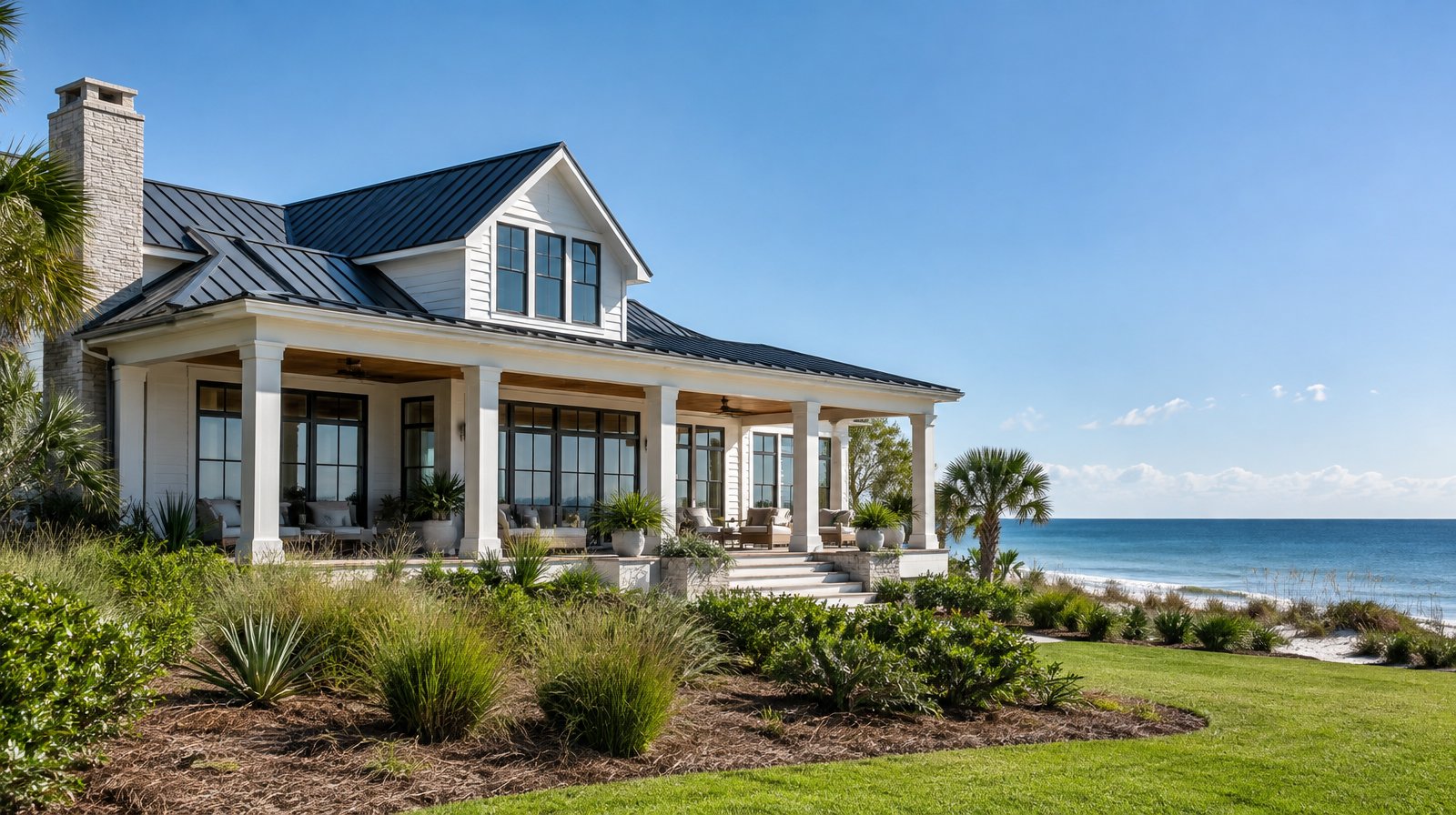
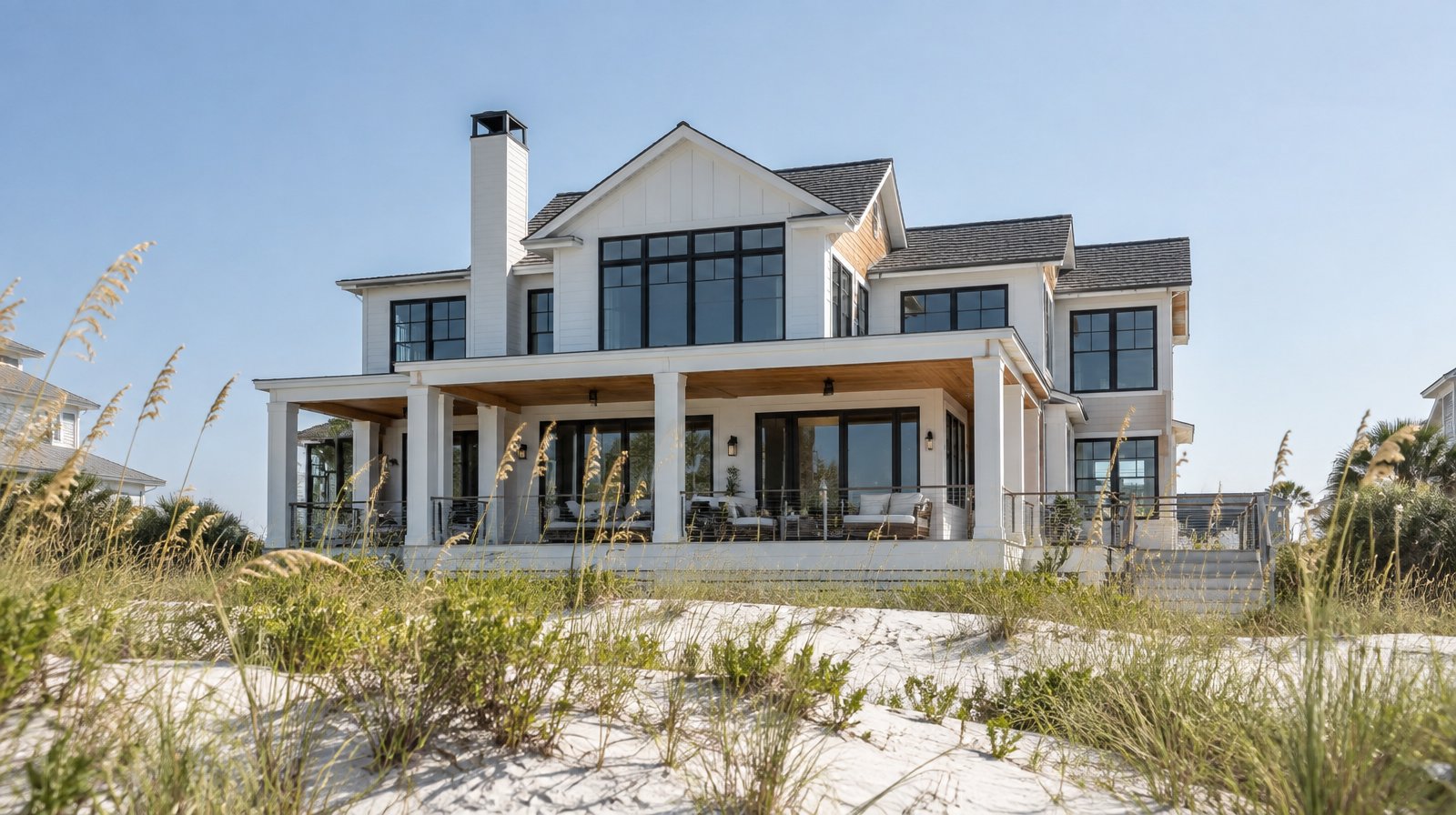
The best investment is the one you stop noticing
Smart home technology is easy to buy one device at a time. A thermostat here, a camera there, a few bulbs ordered after dinner. That approach can make a home more connected without making it meaningfully better.
The more durable investments are usually less conspicuous. They shape daylight, sound, temperature, privacy, security, and the way a household moves through the day. Some can be handled by a capable homeowner. Others depend on wiring, coordination, and decisions that are much easier to make before the walls close.
Here are ten upgrades worth considering, ordered from useful foundations to deeper layers of integration.
Curious what this looks like in your own house?Contact the Daisy Gulf Coast team to understand the possibilities.
1. A reliable home network
Every connected system depends on the network beneath it. A well-planned network includes more than a fast internet plan. It considers access-point placement, wired connections, equipment ventilation, power protection, and the physical distance between the network core and the devices it serves.
This is one of the upgrades that benefits most from professional planning, especially in a large home or a new build. A network that works well in an empty house may struggle once walls, cabinetry, masonry, and outdoor spaces enter the picture.
2. Dimming and lighting control
The difference between turning a light on and setting a room is significant. Dimming control lets a kitchen shift from bright morning work light to a lower evening scene without relying on a collection of disconnected bulbs.
Professional control is particularly valuable when a home has many circuits, architectural fixtures, or several control locations. Smart bulbs can be useful in the right room, but they are not a substitute for a coordinated lighting plan.
3. Motorized shades
Shades manage glare, privacy, heat, and the changing quality of daylight. In a coastal home with broad glass, they can affect comfort as much as the lighting system does.
The best time to plan for them is during design or renovation, when power, pockets, trim, and control locations can be resolved cleanly. Battery products can make sense for selected retrofit situations. Hardwired shades usually offer more planning freedom in a new build.
4. A whole-home lighting scene system
Lighting control in one room is useful. A system that coordinates the home is more powerful. A single evening scene might lower the lights in the living room, soften the kitchen, illuminate the path to the bedroom, and close selected shades.
This is where professional integration starts to earn its place. The value comes from the quality of the relationships between the devices, not from the size of the device list.
5. Zoned audio
Whole-home audio works best when it is planned around rooms and routines rather than speaker counts. Architectural speakers can keep the sound present without putting equipment on every surface. Separate zones let the kitchen, patio, primary suite, and living room behave independently.
A simple wireless speaker may be enough for a bedroom or office. Larger homes, multiple listening areas, and outdoor spaces benefit from early wiring and acoustic planning.
6. Climate control by room or zone
Temperature preferences vary by room, season, and time of day. Zoning can make a home more comfortable, particularly when large glass areas, high ceilings, or different exposures create uneven conditions.
The right approach depends on the HVAC design. Smart controls cannot solve a poorly balanced mechanical system, so this investment should be coordinated with the mechanical contractor rather than added as an afterthought.
7. Thoughtful security and cameras
Security technology should give a household useful awareness without making the home feel like a monitored facility. Door contacts, discreet cameras, smart locks, and lighting scenes can work together around arrival, departure, and nighttime routines.
Placement matters more than gadget count. A camera aimed at the wrong angle or a bright floodlight pointed toward a neighbor creates more problems than it solves.
8. Generator and power monitoring
For Gulf Coast homeowners, resilience deserves a place in the smart home conversation. Generator status, battery backup, water detection, sump equipment, and critical network hardware can be monitored together so a homeowner knows what is happening during an outage or an evacuation.
This is a systems decision rather than a single-device purchase. During an outage, the useful result is simple: the homeowner can see what remains operational and what needs attention.
9. A whole-home control platform
A control platform can bring lighting, shades, audio, climate, security, and entertainment into a common experience. It is most valuable when the home has enough systems to create friction between separate apps and remotes.
Some households will be better served by a few well-chosen independent controls. A whole-home platform earns its place once separate apps and remotes start getting in each other’s way. The platform should follow the complexity of the home rather than adding to it.
10. Prewiring for the decisions you have not made yet
The most overlooked investment is the opportunity to leave options open. Conduit, structured wiring, speaker wire, shade power, equipment locations, and accessible service paths are inexpensive compared with reopening finished walls.
You do not need to choose every product during construction. You do need to decide which future choices should remain possible.
A practical order of operations
For a new build, start with the network, wiring, lighting, shades, and mechanical coordination. Add audio, security, and control layers once the infrastructure is clear. For a renovation, begin with the experience you want to improve, then determine which parts can be solved wirelessly and which deserve construction work.
For most new builds and major renovations, prioritize infrastructure, lighting control, shades, network reliability, and the systems that remove daily inconvenience before adding more visible devices.