Luxury is an experience, not a room count
For years, the language of luxury real estate centered on visible things: the size of the kitchen, the stone on the island, the view from the primary suite, the pool beyond the terrace. Those details still matter. They are simply no longer enough to describe how a high-end home works.
A luxury home is judged by the quality of its experience. How quickly does it become comfortable when someone arrives? Can the light change without interrupting a conversation? Does the bedroom remain quiet and private when the rest of the house is active? Can the owners understand what is happening at the property when they are away?
Those are technology questions, even when the best answers are almost invisible.
Curious what this looks like in your own house?Contact the Daisy Gulf Coast team to understand the possibilities.
The expectation has changed
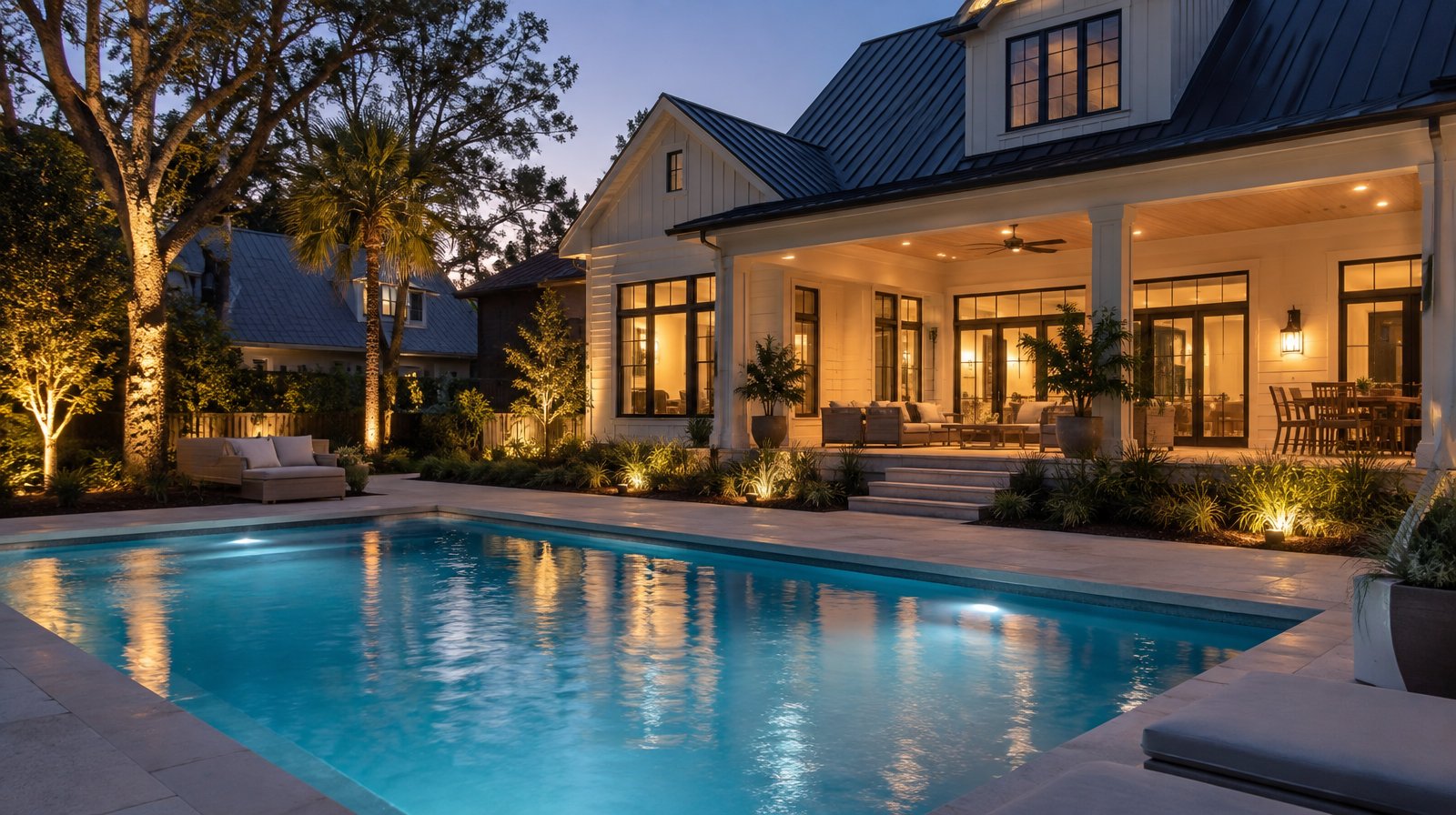
Buyers do not need to know the name of every control platform to recognize when a home feels dated. They notice the wall crowded with switches. They notice that each shade has its own remote. They notice that music stops at the edge of a room, or that a beautiful outdoor space is unusable after sunset because the lighting was never designed around it.
No one expects every house to behave like a showroom. What buyers notice is coherence. Systems should support the way people live instead of asking them to manage the systems themselves.
That shift is especially visible in new construction. When a home is being designed from the ground up, lighting, shades, audio, security, climate, and networking can be considered together. A buyer touring the finished house may never see the planning that made the experience possible. They will feel its absence if it was not done.
The Gulf Coast makes the case plainly
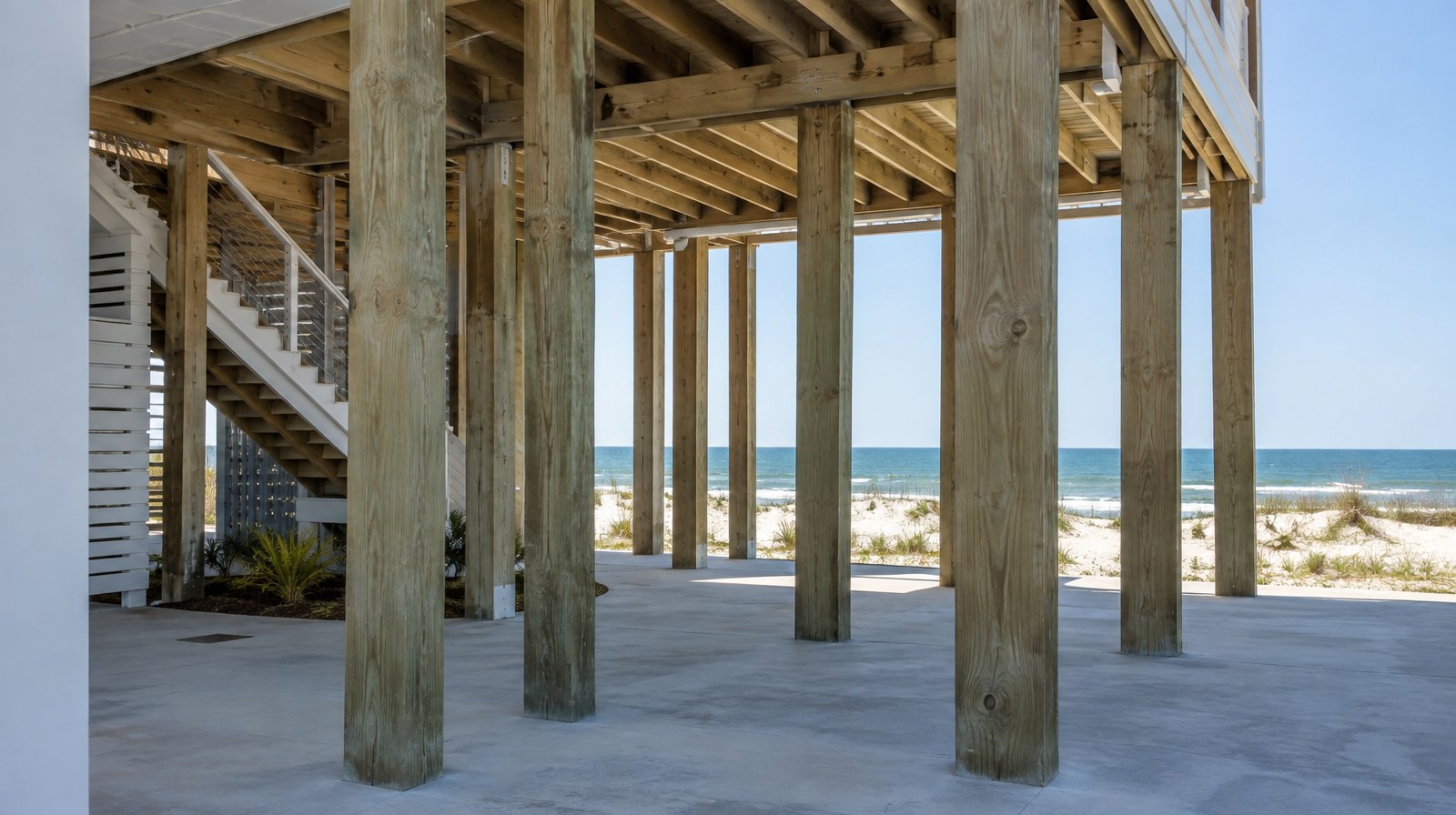
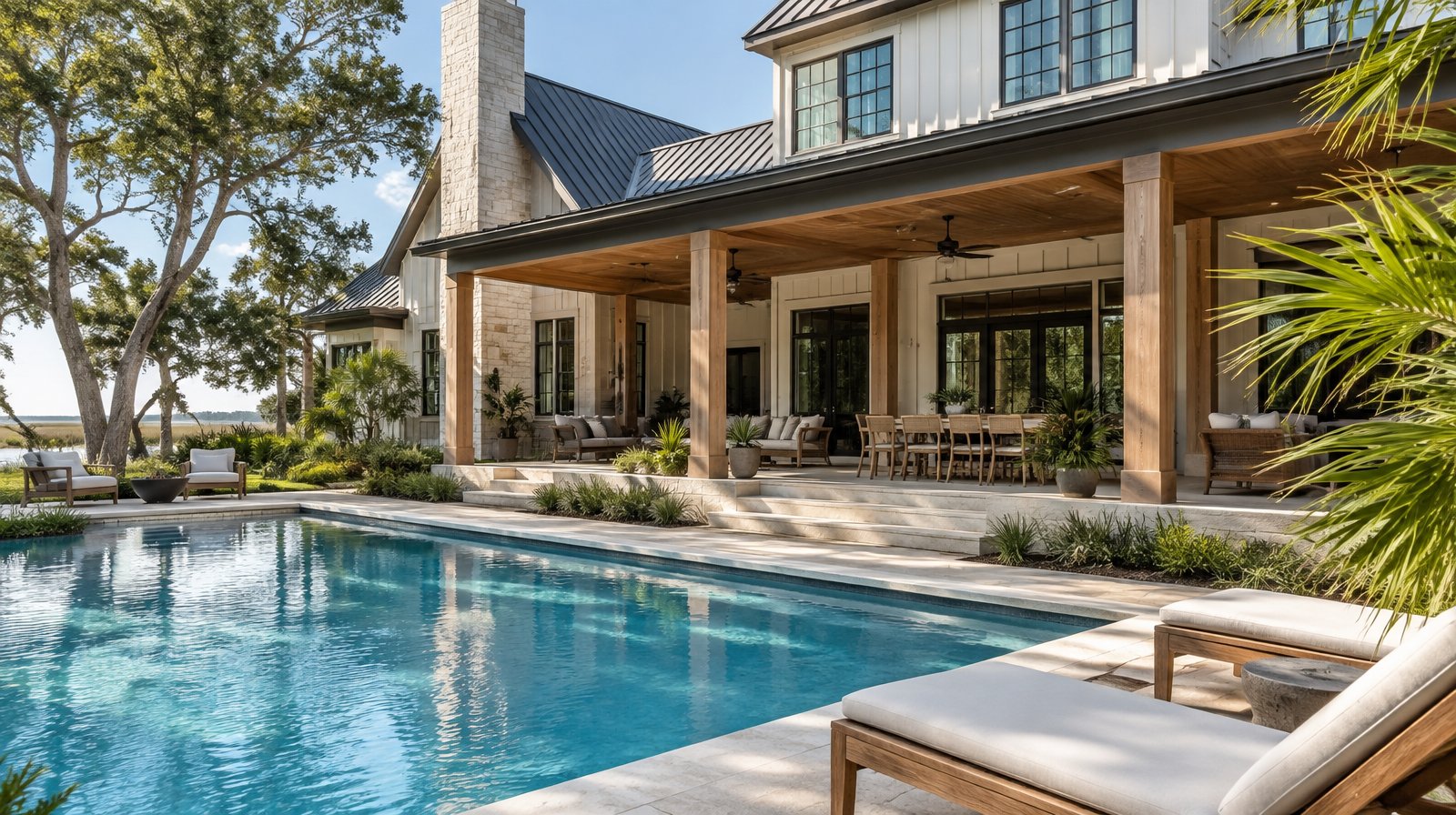
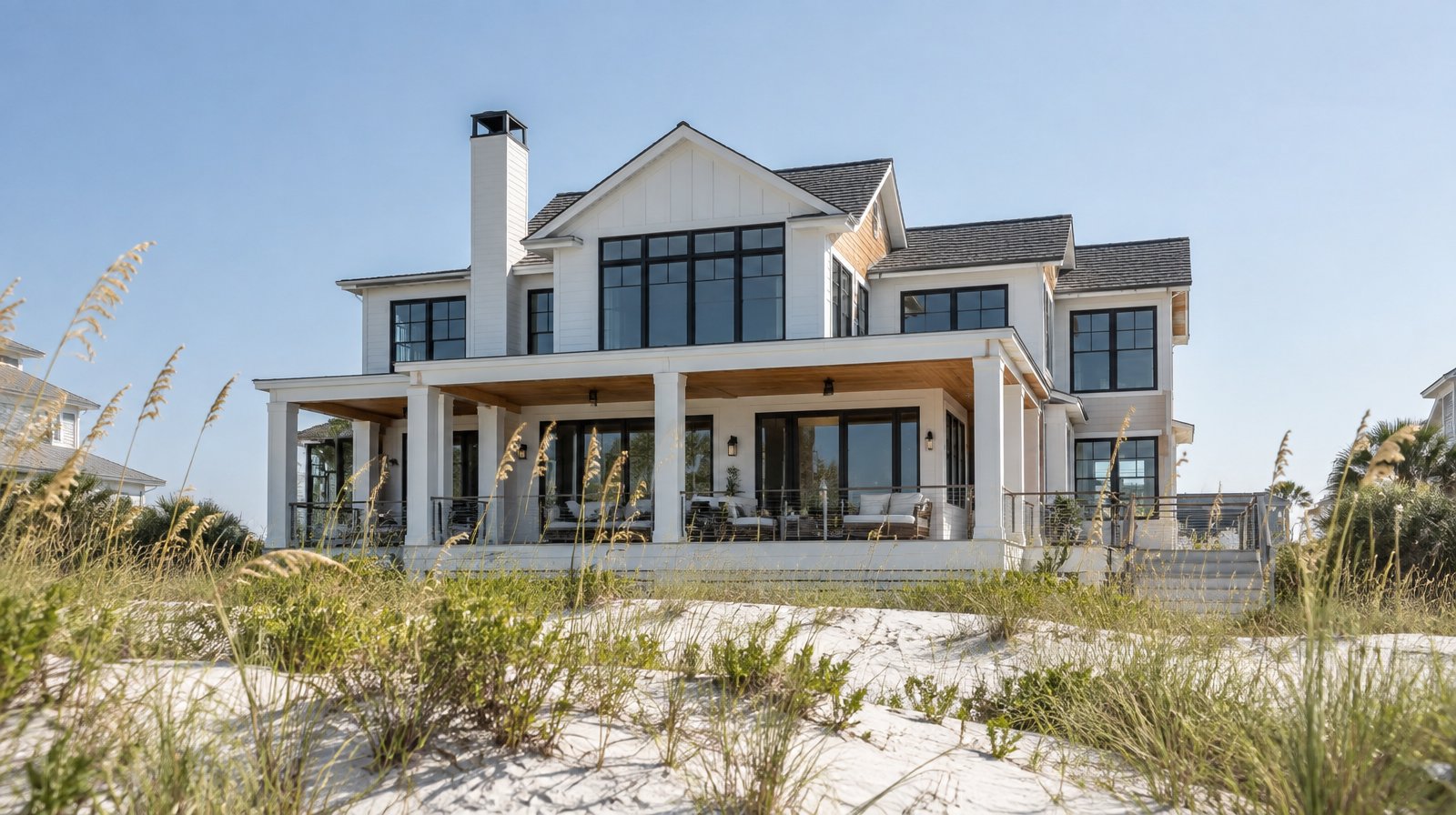
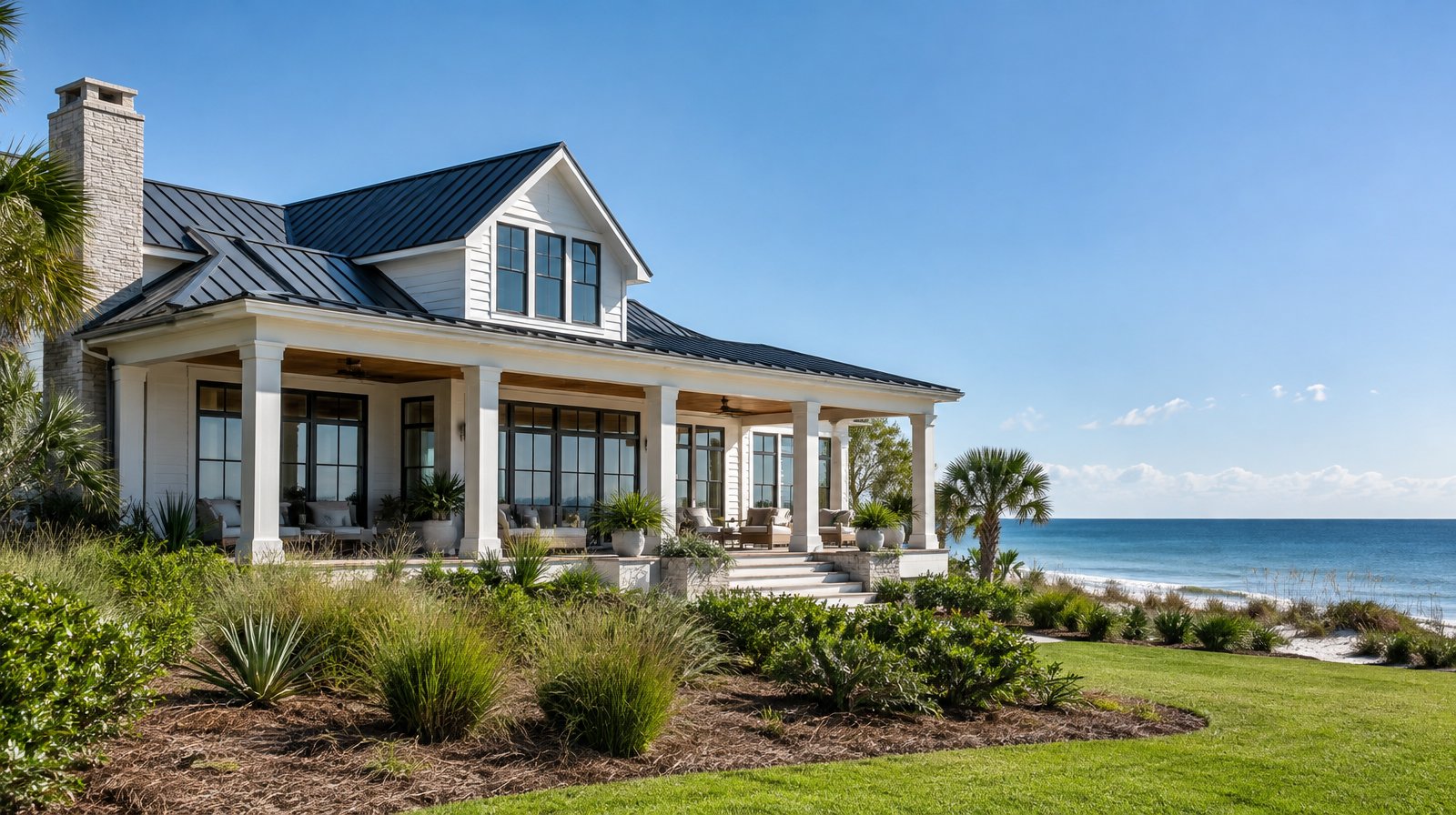
Along the Gulf Coast, a home often has a complicated relationship with light, weather, and outdoor living. Deep overhangs, broad windows, porches, pools, coastal vegetation, and strong afternoon sun all shape the way rooms are used. A system that manages light and privacy is not merely a convenience. It is part of how the architecture performs.
Storm preparation adds another layer. Owners may need to monitor power, water, generators, cameras, and access while they are away from the property. The house does not need to become a command center. The infrastructure simply needs to be considered before the first major weather event exposes the gaps.
The most successful homes treat these conditions as design inputs. They do not add technology after the architecture is complete and hope it disappears.
Technology should earn its place
Calling every connected device a luxury is a mistake. A device can be expensive and still make a home feel more complicated. A luxury system earns its place by reducing the number of decisions a household has to make.
Good lighting control understands that a dining room, a stair hall, and a bathroom need different kinds of attention. Good shades protect a view while managing glare. Good audio can fill a room without putting a black box in the middle of it. Good security gives useful information without turning every arrival into an alert.
The meaningful standard is restraint. A system earns its place when it knows when to stay out of the way.
The new table stakes
Pools, outdoor kitchens, and generous primary suites remain meaningful features because they improve daily life and help define a market position. Smart systems belong in the same conversation when they are designed as part of the home rather than bolted onto it.
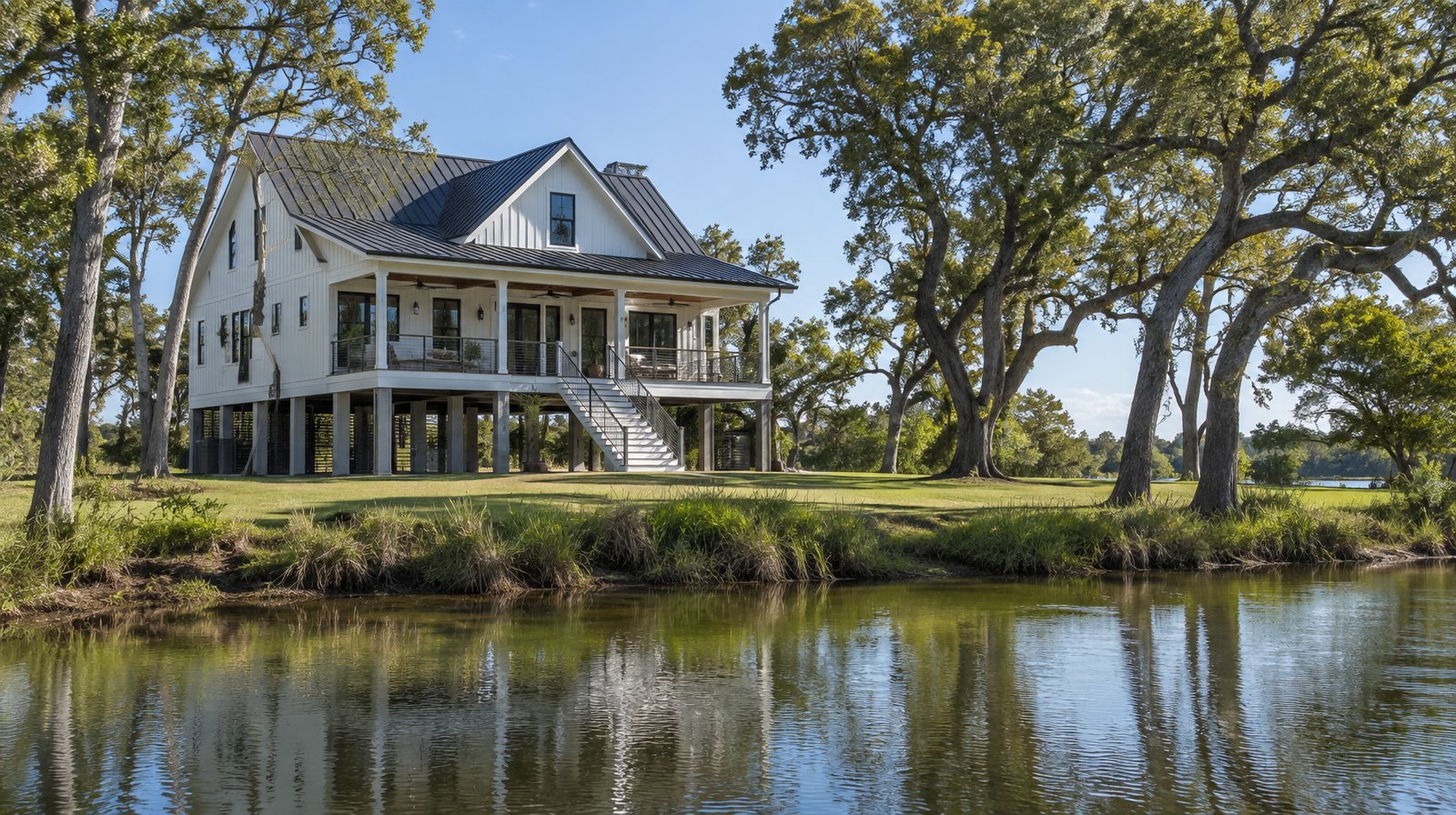
That does not mean every luxury property needs the same technology. A historic cottage, a high-rise condo, and a new waterfront build will have different constraints. It does mean each should have a considered answer to light, comfort, security, sound, and control.
Luxury buyers should judge integrated technology by the quality of the lived experience: comfortable rooms, private windows, clear paths, and architecture that still holds the attention.