Light the way people use the property
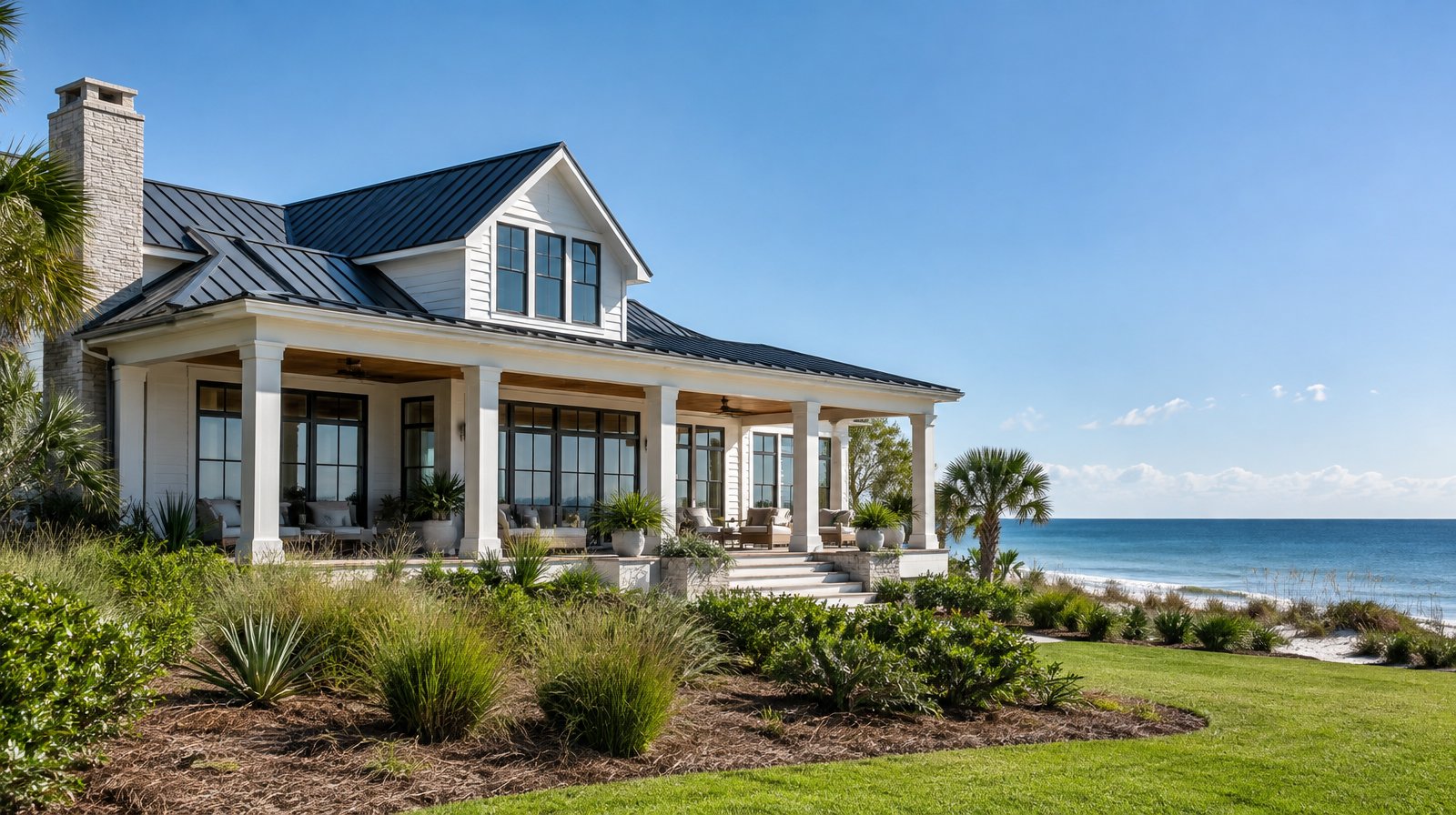
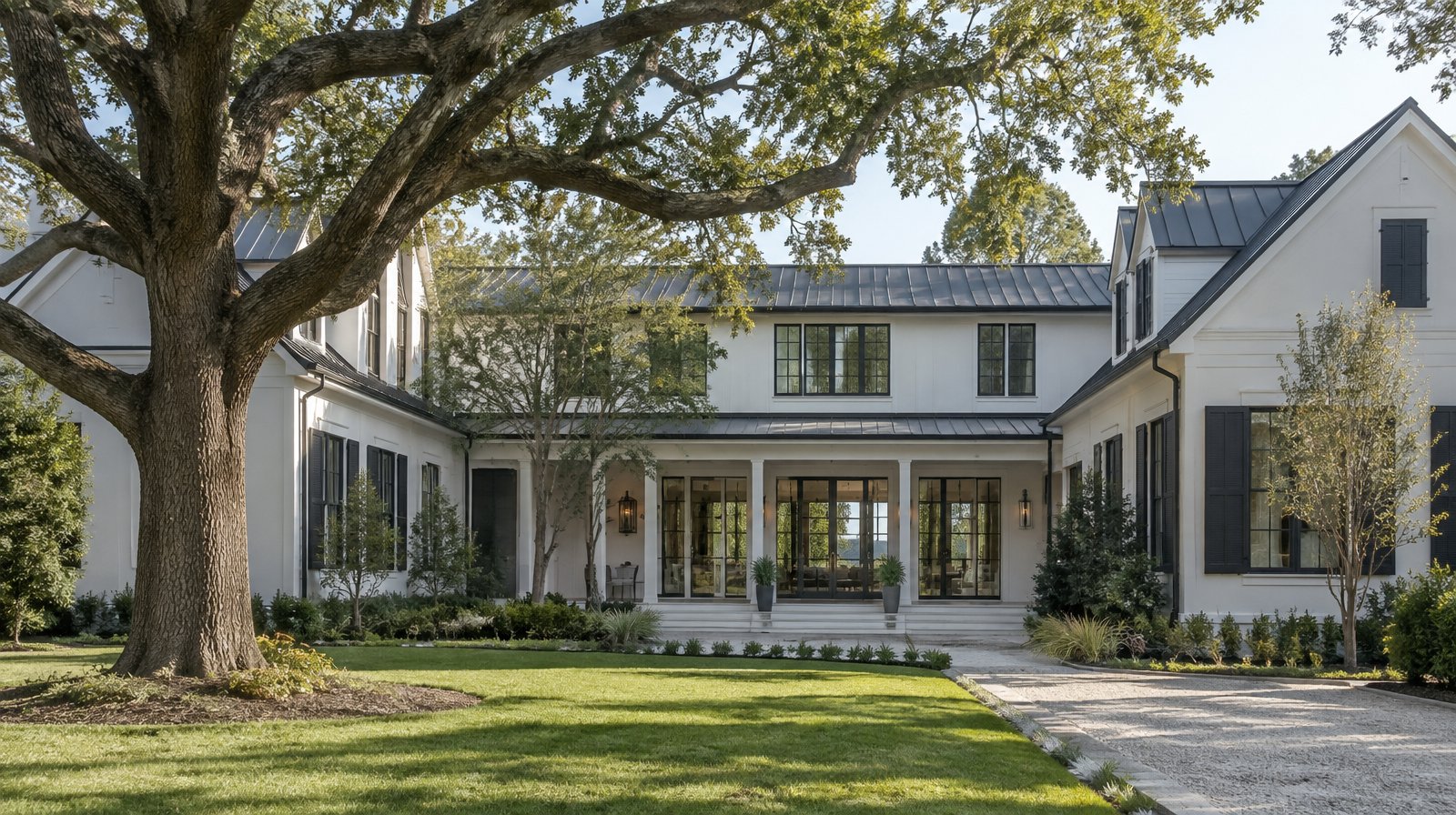
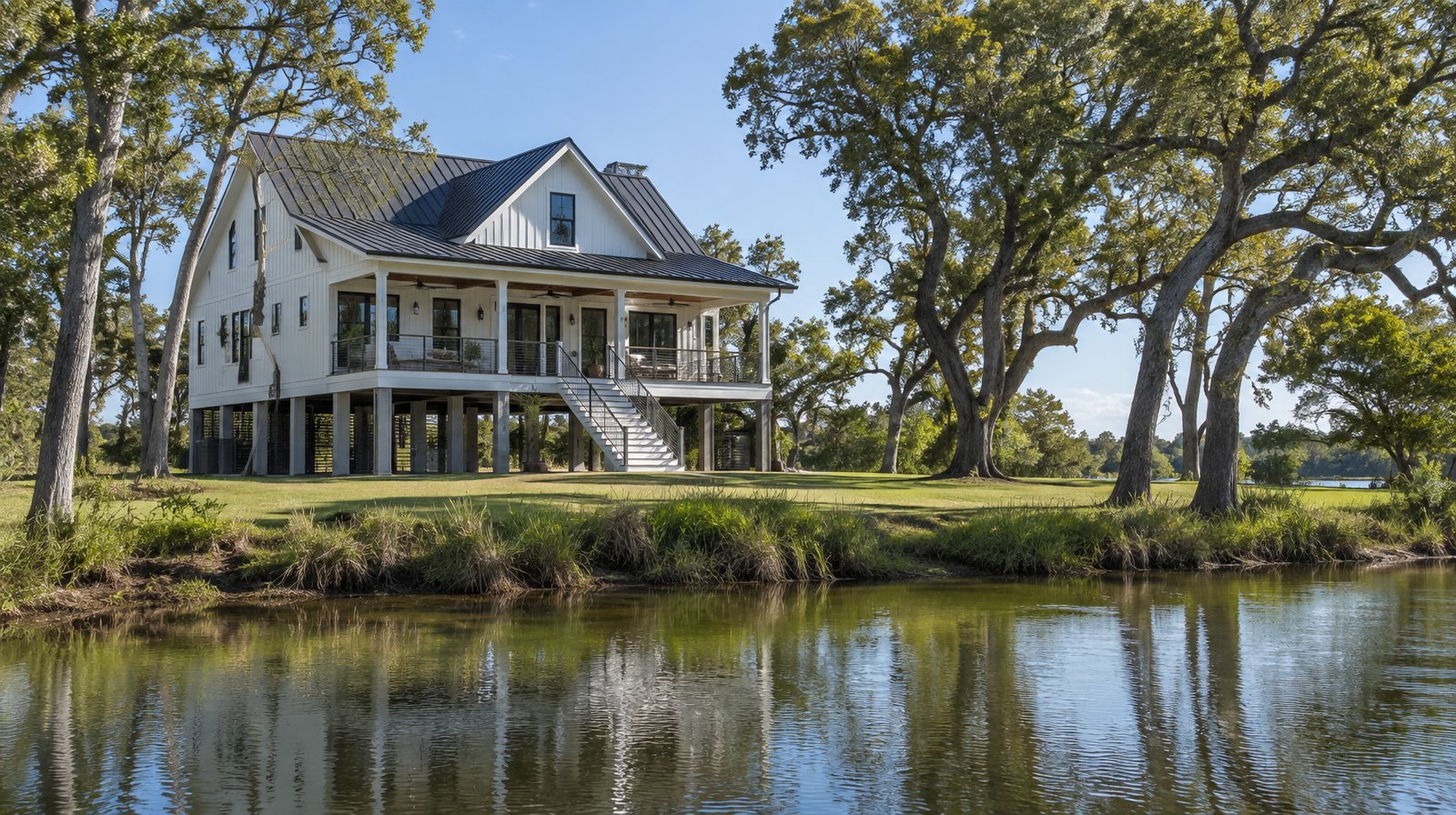
Destin is not a generic coastal setting. Destin is one of the Emerald Coast’s largest luxury and vacation-rental markets. Outdoor lighting should begin with how people arrive, move, gather, and look across the property after dark. A front walk, porch, driveway, pool, dock, and garden each need a different level of attention.
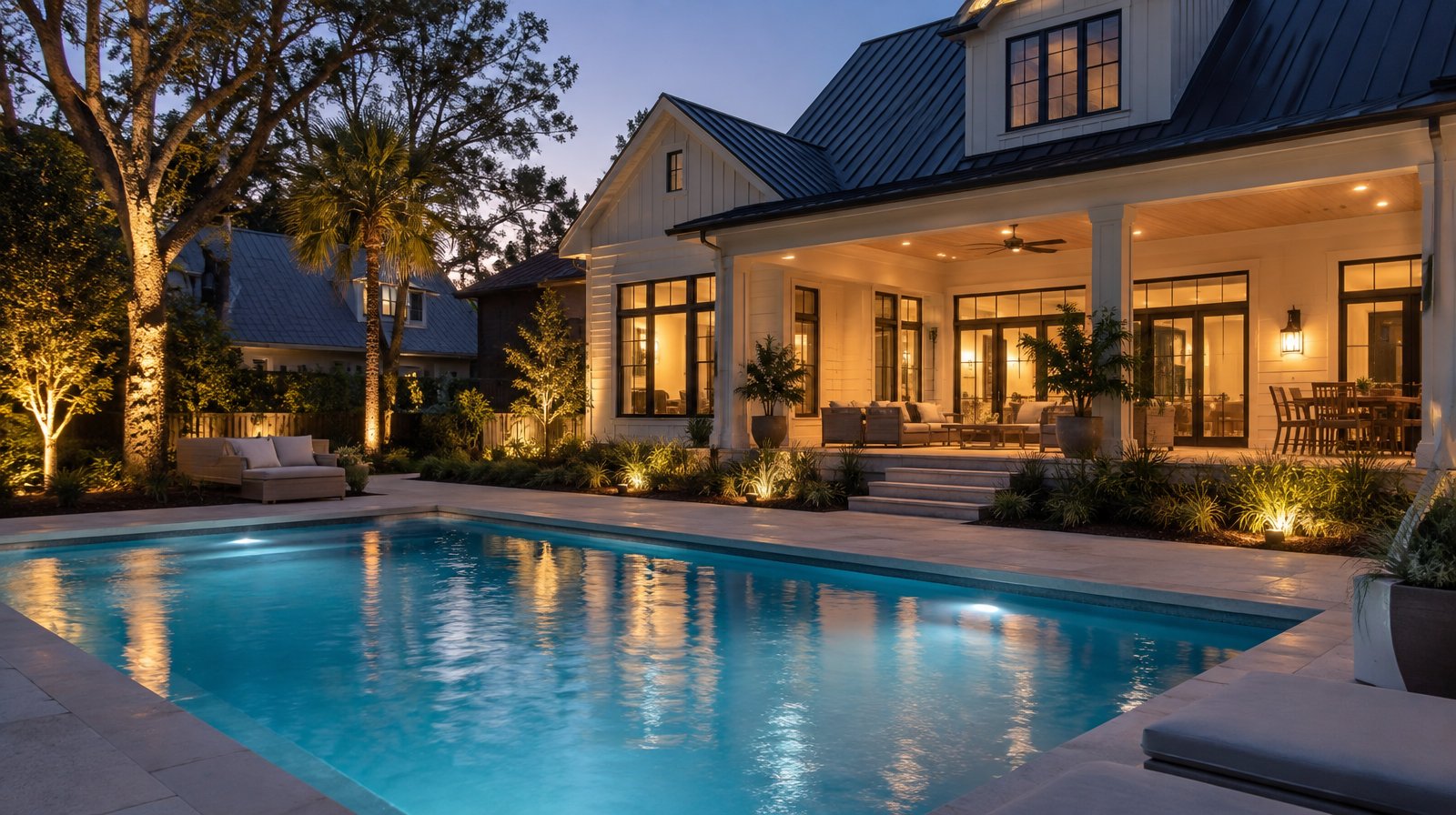
Landscape and architectural lighting work best when they are layered. Low path fixtures can guide movement, wall light can clarify an entry, and selective uplighting can reveal a tree or facade. The aim is not to make every surface equally bright. It is to give the property a readable rhythm while preserving the darkness that makes the garden and horizon feel present.
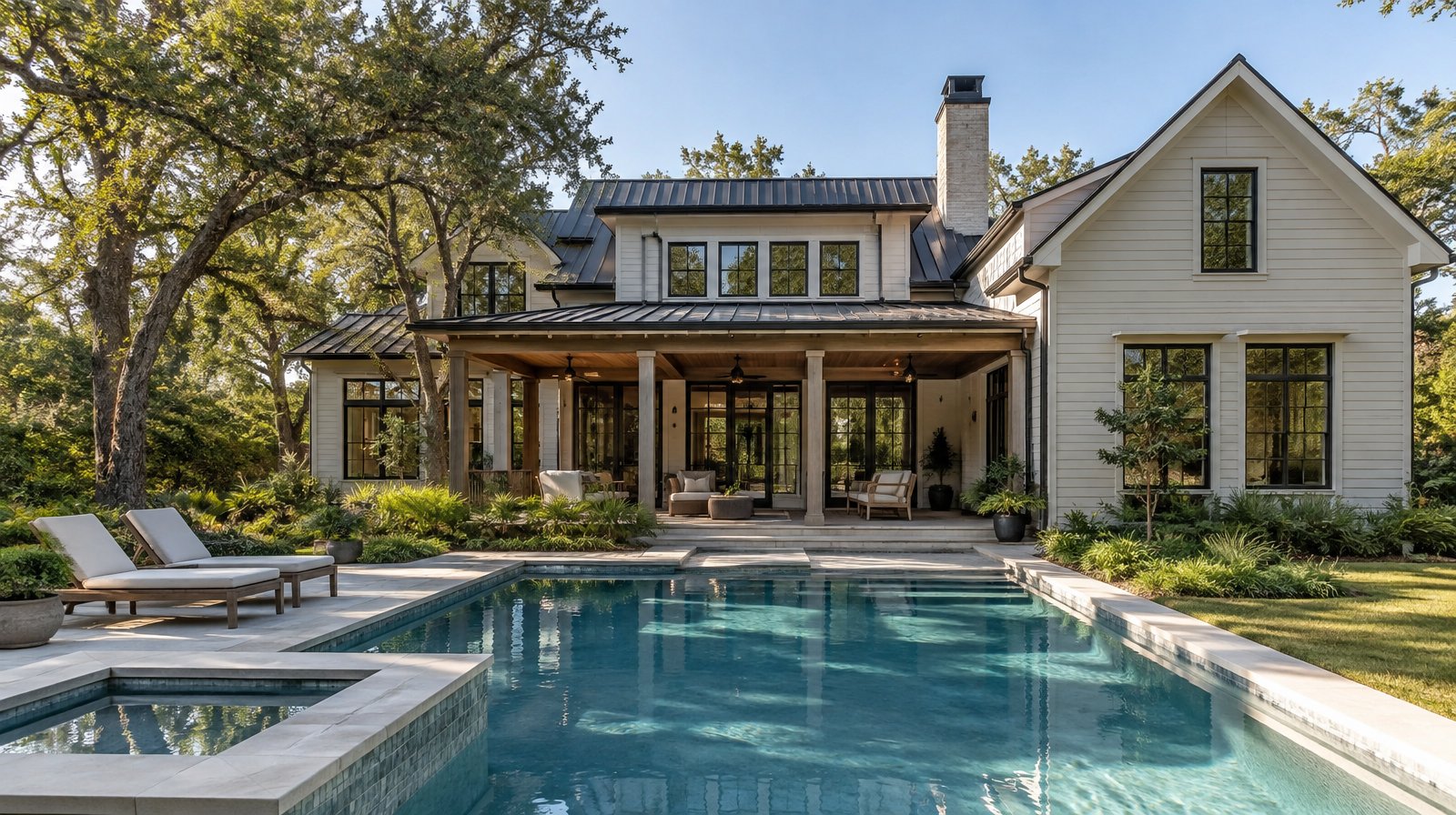
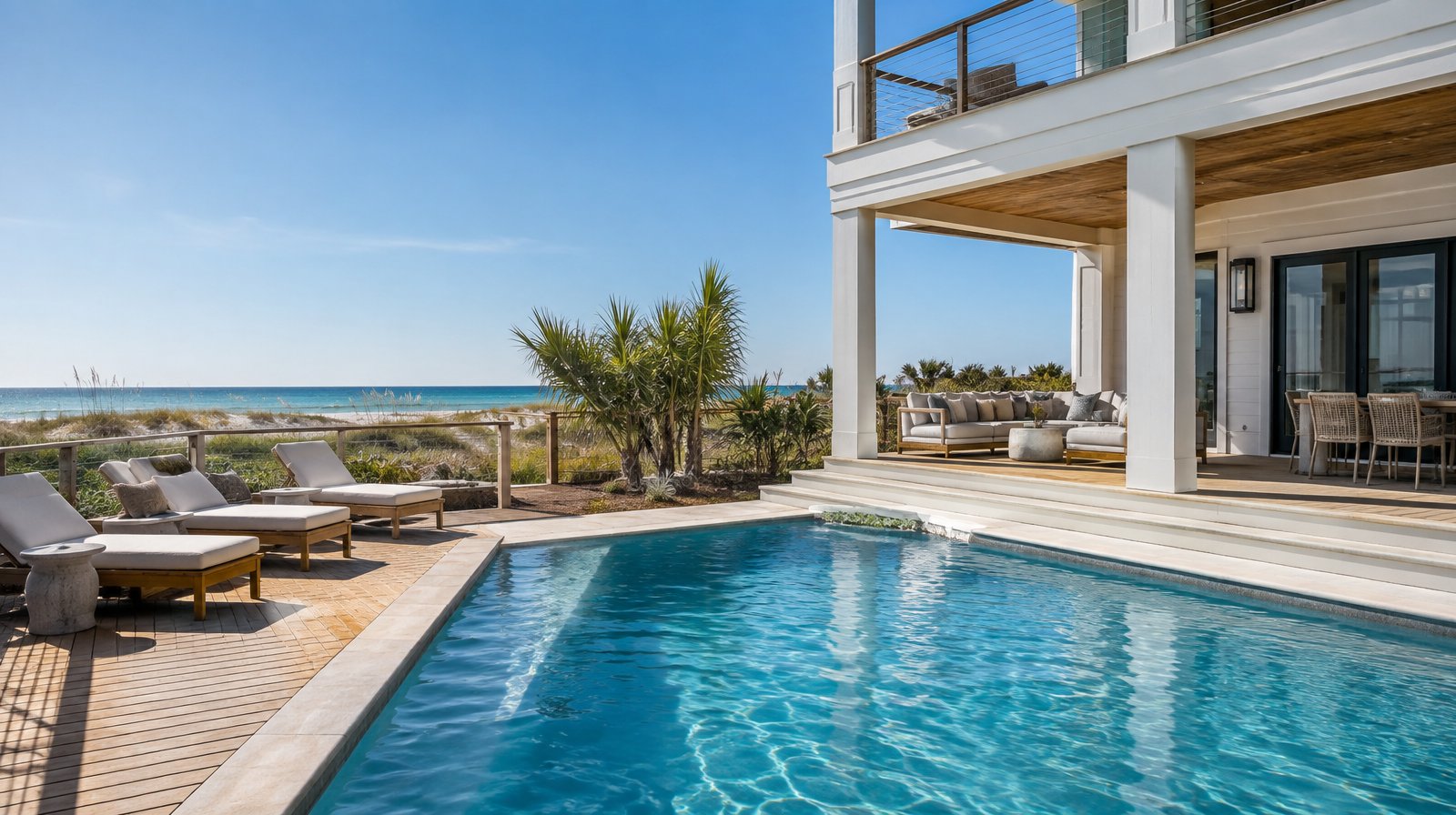
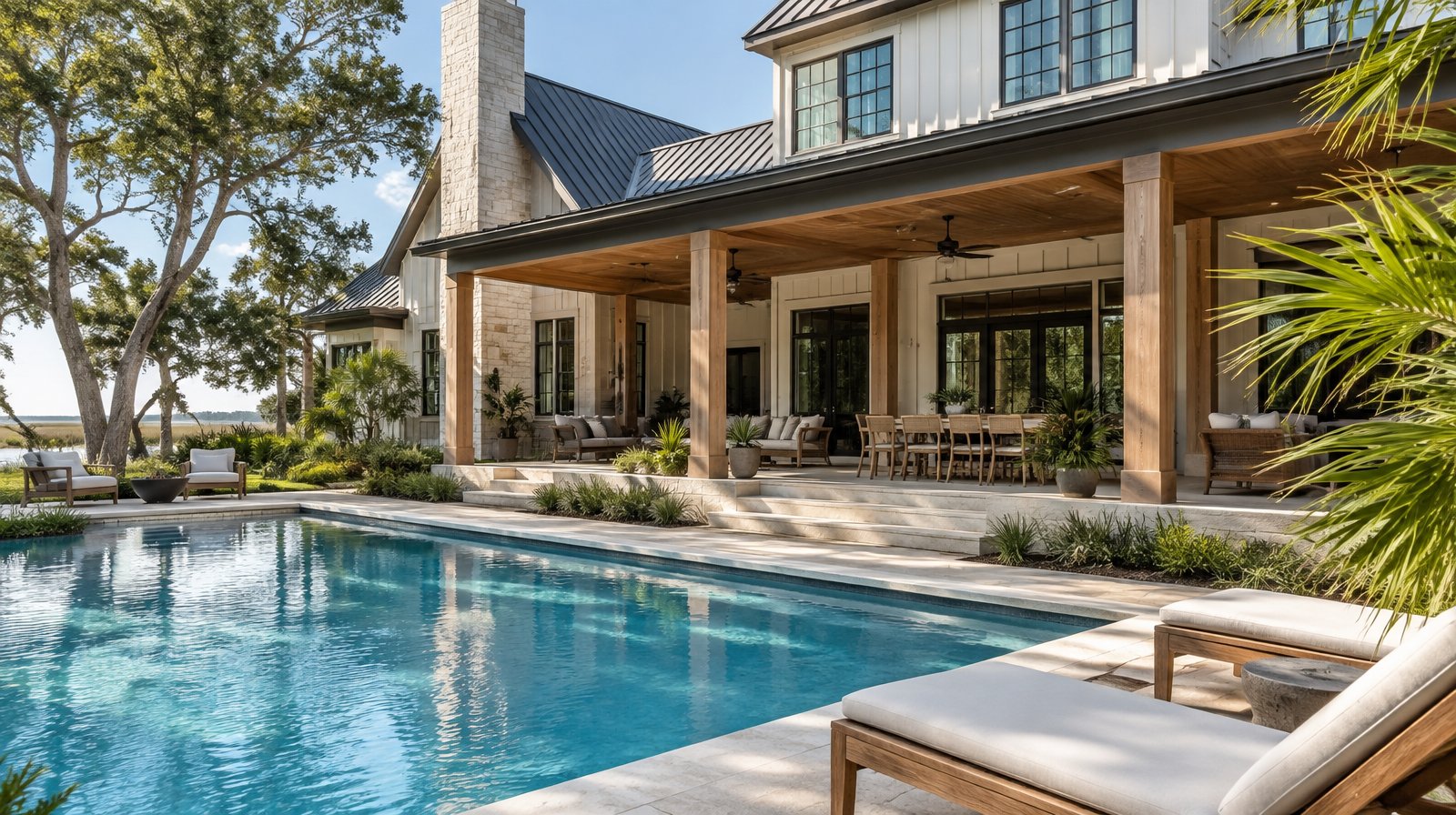
Destin homes often move from indoor dining to pool, patio, or beach-facing terrace. Separate zones let a homeowner light the cooking surface and steps while leaving the broader landscape quiet. For a rental, the controls should be easy to find and difficult to misuse.
Destin homes often move from indoor dining to pool, patio, or beach-facing terrace.
Curious what this looks like in your own house in Destin?Contact the Daisy Gulf Coast team to understand the possibilities.
Scenes, schedules, and away mode
An automated system can schedule exterior scenes around sunset, occupancy, or the homeowner’s routine. An arrival scene might bring up the front walk and porch. An entertaining scene can add the pool, dining terrace, or garden. An away scene may leave only the lighting needed for security and safe circulation.
Lutron is a useful reference for coordinating lighting scenes with the rest of the home. DMF Lighting is known for architectural fixtures that can support precise indoor and outdoor illumination. The control platform and the fixture solve different parts of the problem, so both should be specified together.
Coastal durability is part of the design
Salt air, humidity, standing water, storms, and landscape growth all affect outdoor equipment. Fixtures should be rated for the location, cable paths should be accessible, and transformers should have enough capacity for the zones they serve. A system that looks good for one season but is difficult to service is not a successful long-term installation.
Light direction matters as much as fixture quality. Shield sources from bedroom windows, neighboring properties, and the driver’s seat. Keep glare off the water when possible, and avoid turning mature trees into bright silhouettes that compete with the house.
A practical selection framework
Start with the property map. Mark arrival points, steps, changes in grade, gathering areas, important plants, water edges, and sightlines from inside the house. Divide those areas into zones that can be controlled independently.
Then choose fixtures and transformer locations for exposure, access, and future service. Decide which scenes should run automatically and which should remain manual. Lutron and DMF can be part of that conversation, but the final system should serve the particular lot, landscape, and way the home is occupied.