Sound should belong to the room
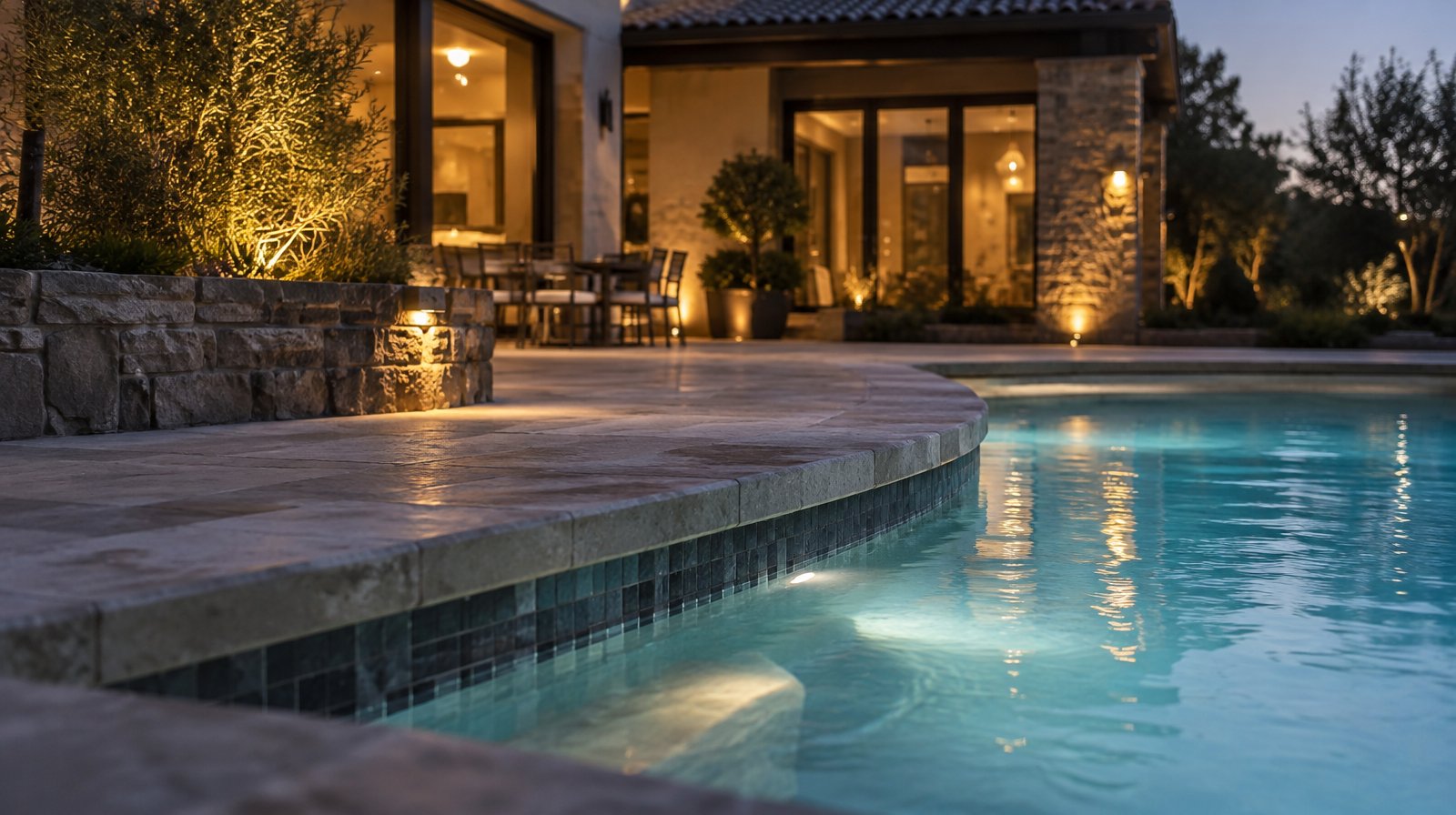
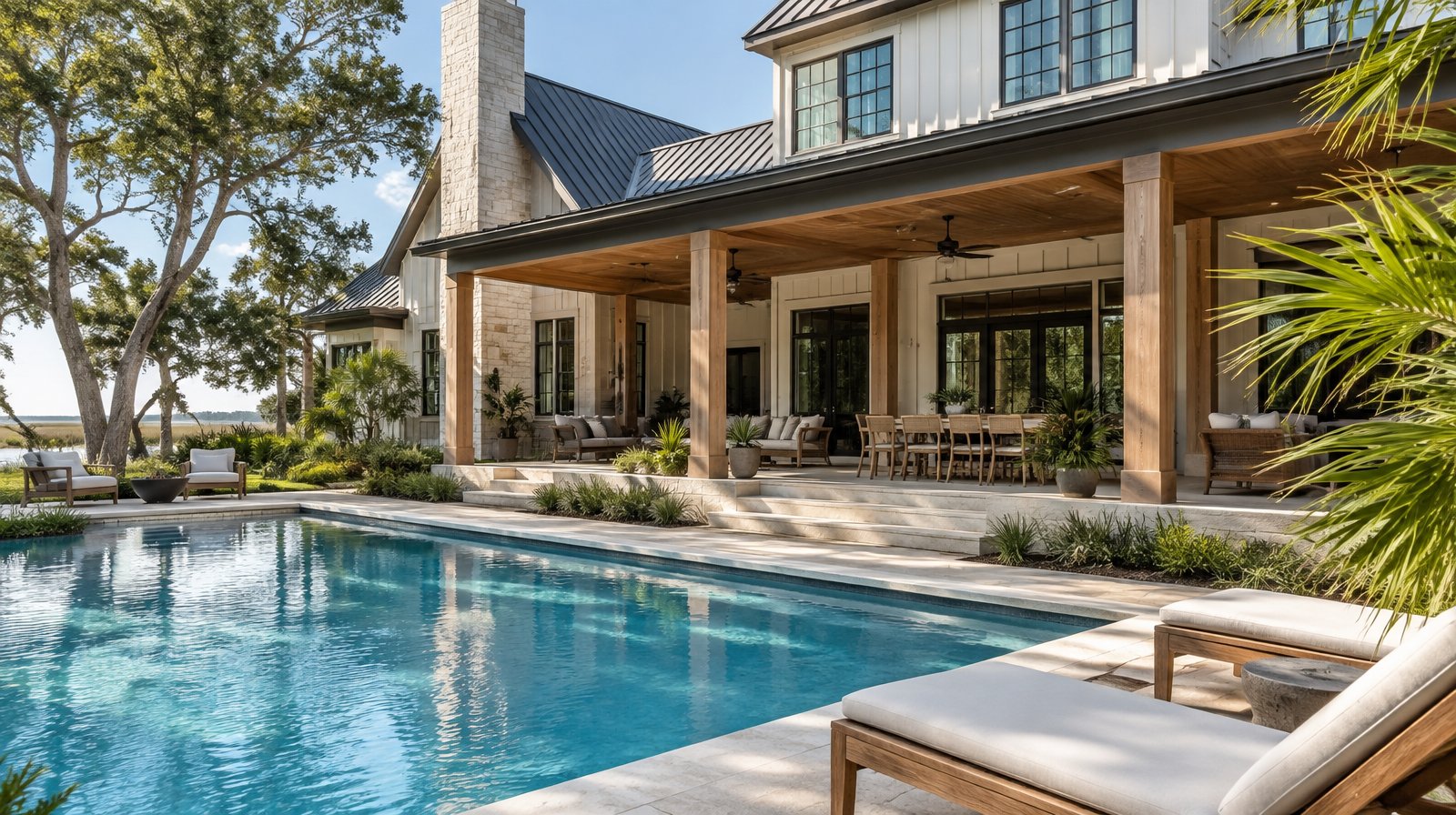
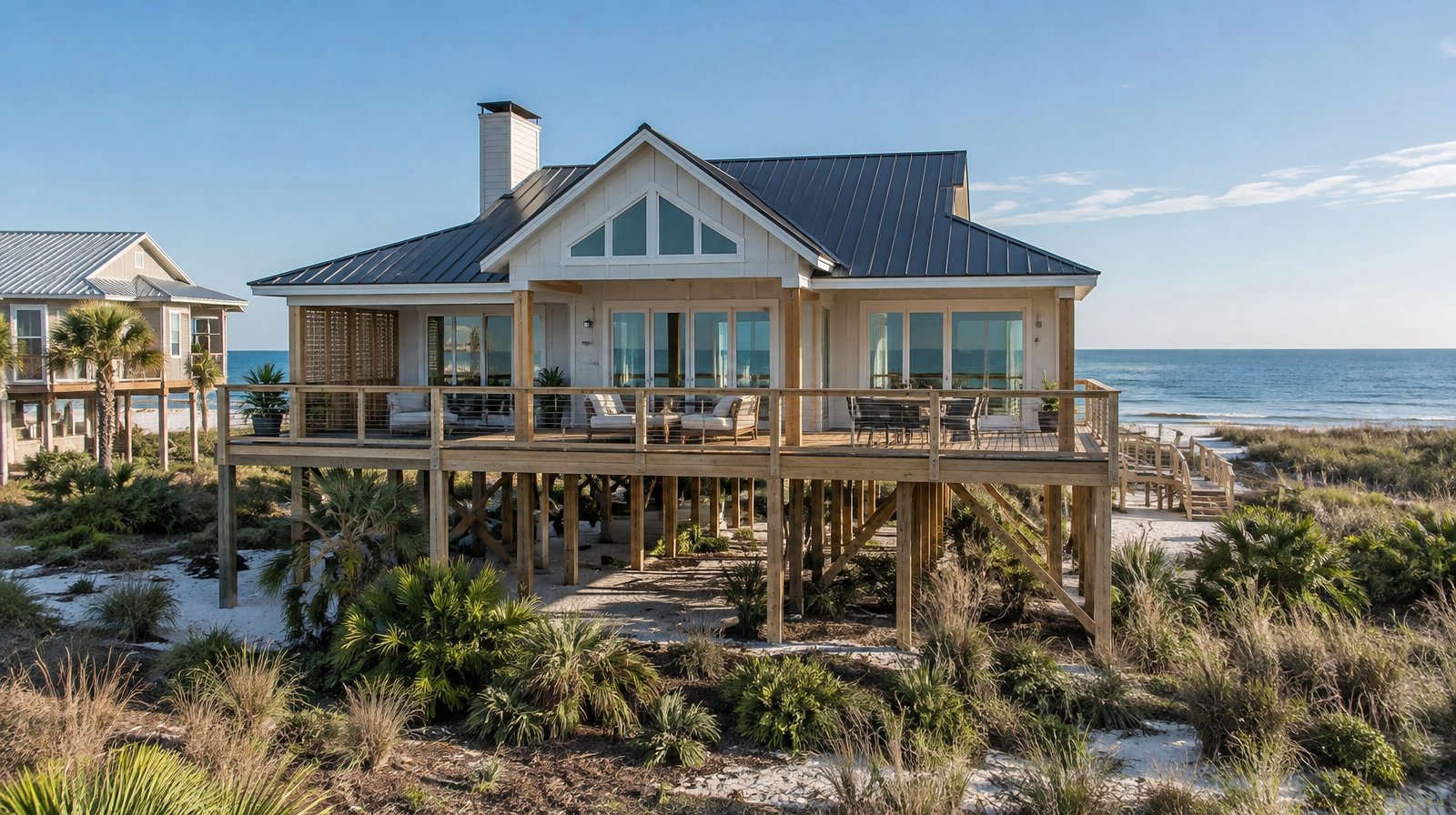
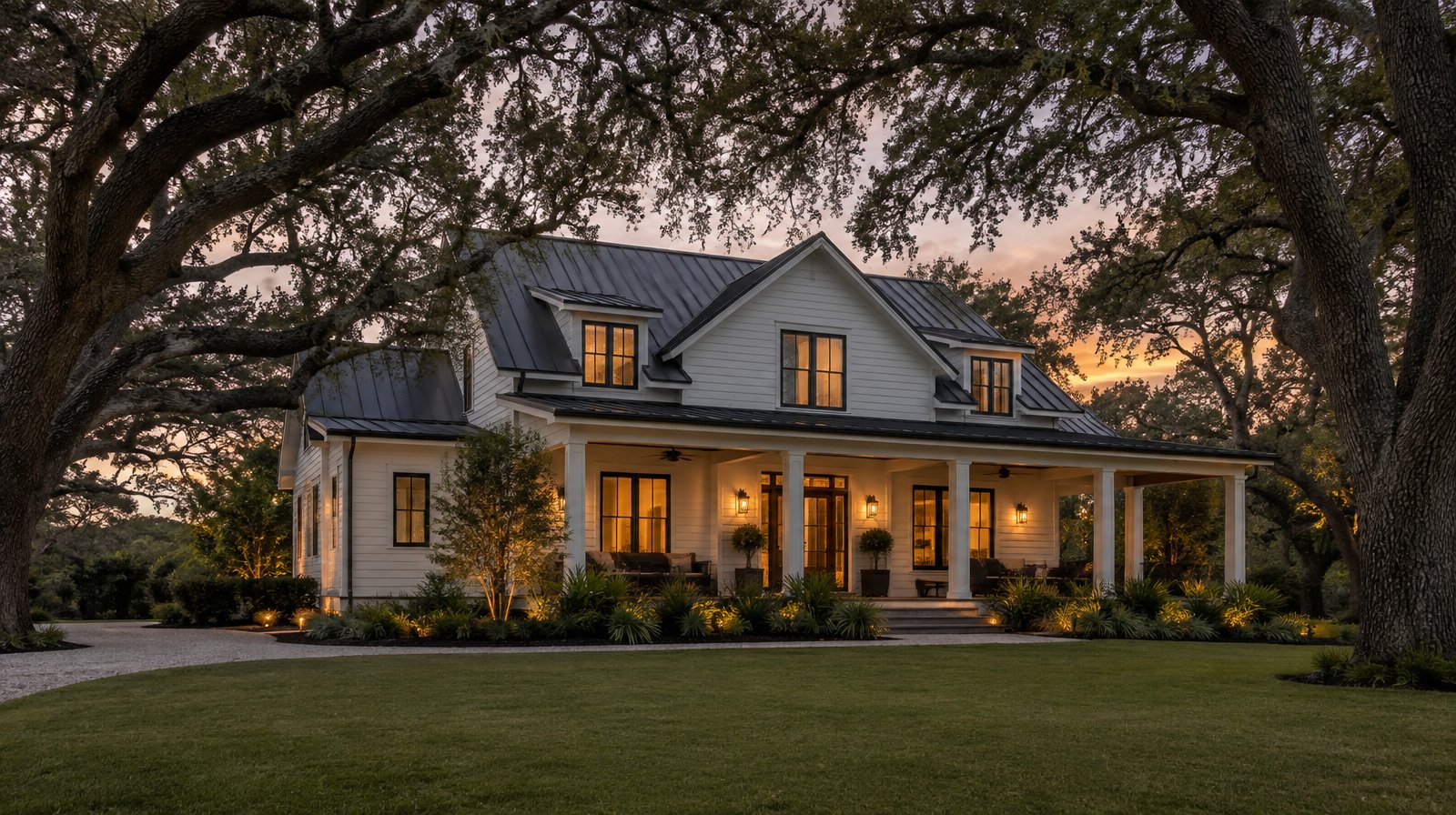
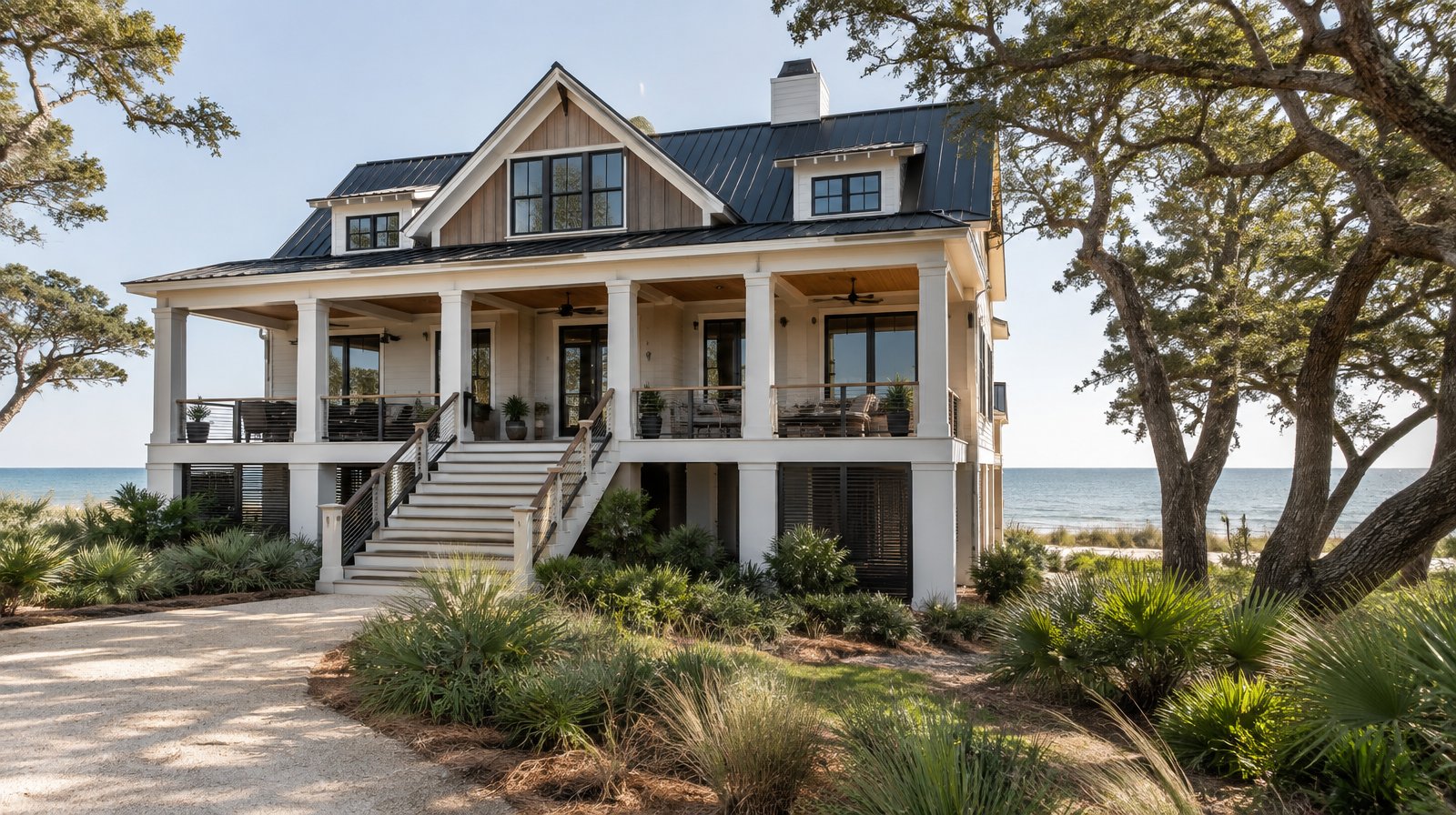
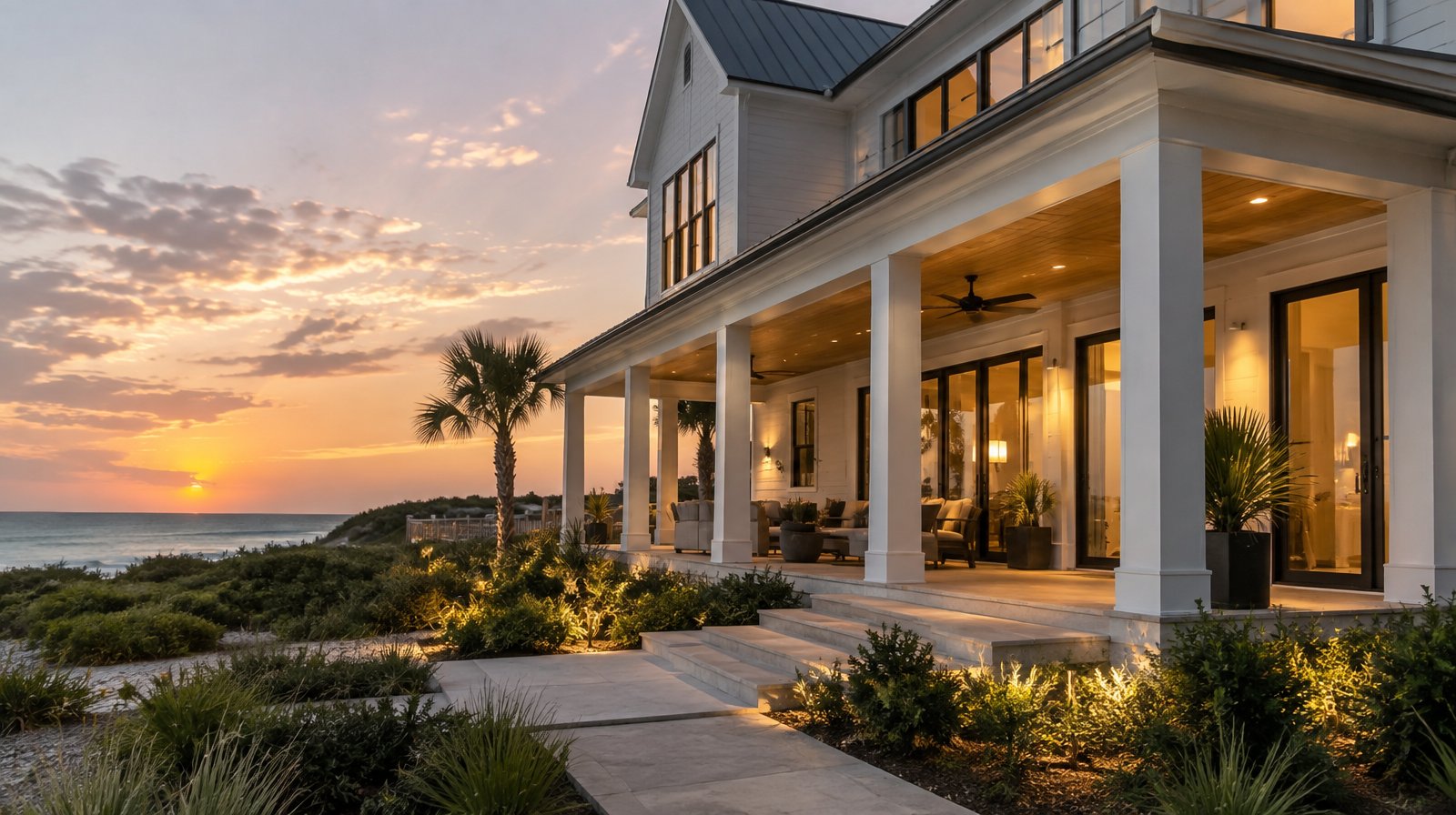
Ocean Springs has a natural connection between inside and outside. A historic cottage may open onto a porch shaded by live oaks. A newer home near the Gulf may be organized around a broad terrace, pool, or view. Those spaces invite sound, but they do not all need the same kind of system.
High-end automated audio begins with that distinction. Begin by deciding where music belongs, how it should move through the house, and where it should become quieter as the architecture opens to the landscape.
Curious what this looks like in your own house in Ocean Springs?Contact the Daisy Gulf Coast team to understand the possibilities.
Architectural speakers and whole-home zones
In-ceiling and in-wall speakers can keep the listening experience present without making equipment the visual focus. When they are selected and placed well, the speaker becomes part of the room’s construction rather than another object on a shelf.
Whole-home audio divides the house into zones. The kitchen can play a morning playlist while a television is on in the living room. A porch can carry sound from the main system without forcing the same volume into the bedroom. Zones can be grouped for a gathering or controlled independently for everyday use.
The wiring and speaker placement should be decided before the ceiling and walls are finished. The location of a speaker affects coverage, sound quality, lighting layouts, ventilation, and the relationship between the ceiling and the room below it.
Sonance and Origin Acoustics
Sonance has long been associated with architectural audio, particularly speakers designed to integrate into walls, ceilings, and outdoor environments. The brand’s appeal is tied to the idea that a high-quality listening experience does not require a freestanding speaker to dominate the room.
Origin Acoustics takes a similar architectural approach across a range of in-ceiling, in-wall, and outdoor products. Its positioning is useful for homeowners comparing how much of the system should disappear and where visible equipment still makes sense.
The difference between brands matters, alongside room volume, ceiling height, surface materials, listening distance, amplifier selection, and the purpose of the space. A speaker that works beautifully in a quiet study may be the wrong choice for a covered outdoor terrace.
Indoor and outdoor audio are not interchangeable
Outdoor audio has to contend with weather, humidity, heat, and a wider listening area. The system may need landscape speakers, architectural enclosures, or carefully placed surface speakers that distribute sound without creating a single loud point.
The Gulf Coast climate makes weather resistance and serviceability important. Equipment should be protected, connections should be accessible, and the system should be designed with the reality of salt air and storms in mind. Outdoor volume also deserves restraint. Good coverage can sound more natural than a few speakers turned up to compete with the landscape.
Inside, the priorities are different. An open kitchen and living room may need even coverage across a large volume. A historic home may call for smaller speakers and more careful placement. A dedicated media room may need an entirely different acoustic strategy.
Choosing a system for the home you have
Start by identifying the rooms where audio will be used most often. Then consider whether the house is being renovated or built from the beginning. New construction makes it easier to run speaker wire, provide equipment locations, and coordinate ceiling layouts. Renovation may favor selective zones, wireless components, or a hybrid system that expands over time.
Ask how the system will be controlled. An app may be enough for a small installation. A larger home may benefit from shared scenes, physical controls, and a system that does not require a different interface for every room.
Coverage and restraint pull in opposite directions here. More zones can make a home flexible, but they also add planning, equipment, and decisions. How much musical continuity does the household actually want between the kitchen, living room, porch, and garden?