Start with the window
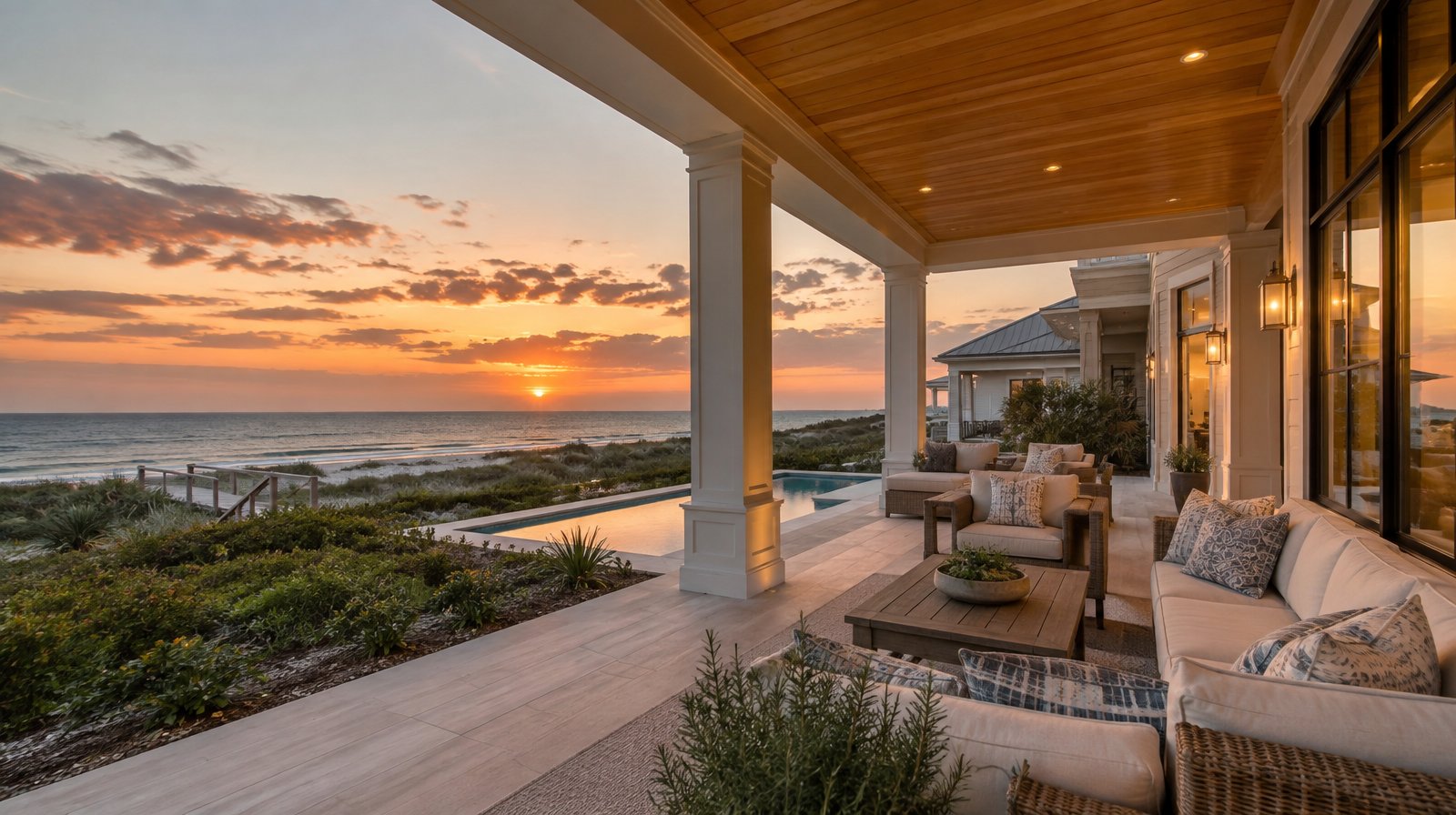
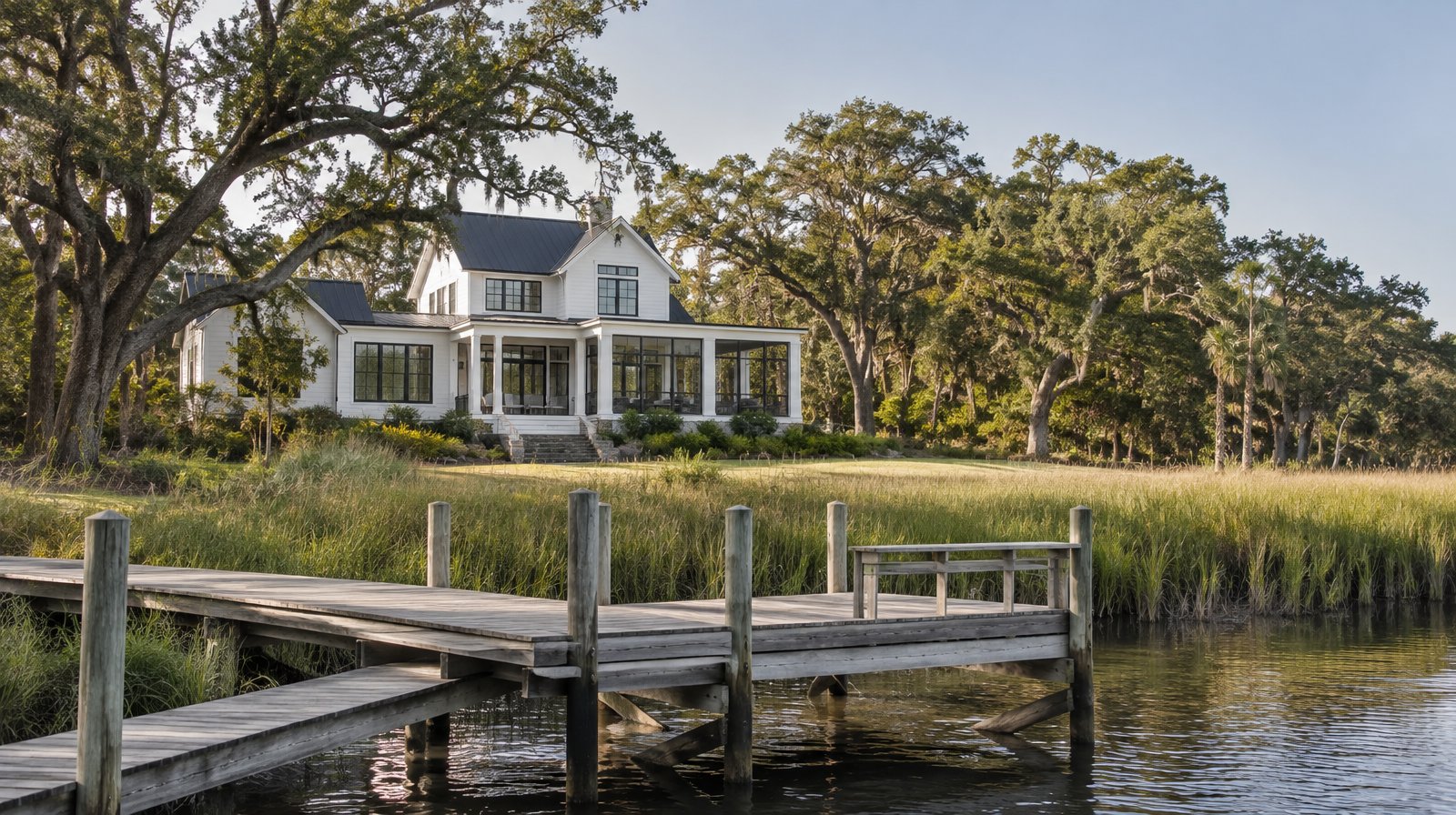
Point Clear is not one housing type or one shade problem. Point Clear is a quiet, high-value enclave on Mobile Bay with historic homes, formal gardens, and generous lawns. Window orientation, glass size, room use, and the architecture around the opening should determine the first decision. A bedroom, media room, kitchen, and covered porch-facing living room rarely need the same fabric or operating pattern.
Motorized shades are useful because they make small, repeatable adjustments possible. A shade can filter direct sun without eliminating the view, lower for privacy after dark, or move with a broader lighting scene. The best result feels like the room is keeping pace with the day rather than performing a trick.
Point Clear homes often reward a restrained shade treatment.
Curious what this looks like in your own house in Point Clear?Contact the Daisy Gulf Coast team to understand the possibilities.
What motorized shades actually control
The motor controls movement, but the fabric controls much of the experience. Openness factor, color, weave, and opacity affect glare, heat, privacy, and the way the view reads through the shade. A room with strong afternoon exposure may need solar control, while a bedroom or theater may need blackout.
Power is the next decision. Battery motors can reduce disruption in an existing home, although they still need appropriate mounting and future access. Hardwired shades take more coordination but can be preferable for a new build with many windows or larger treatments. Manual override and outage behavior should be discussed before the order is placed.
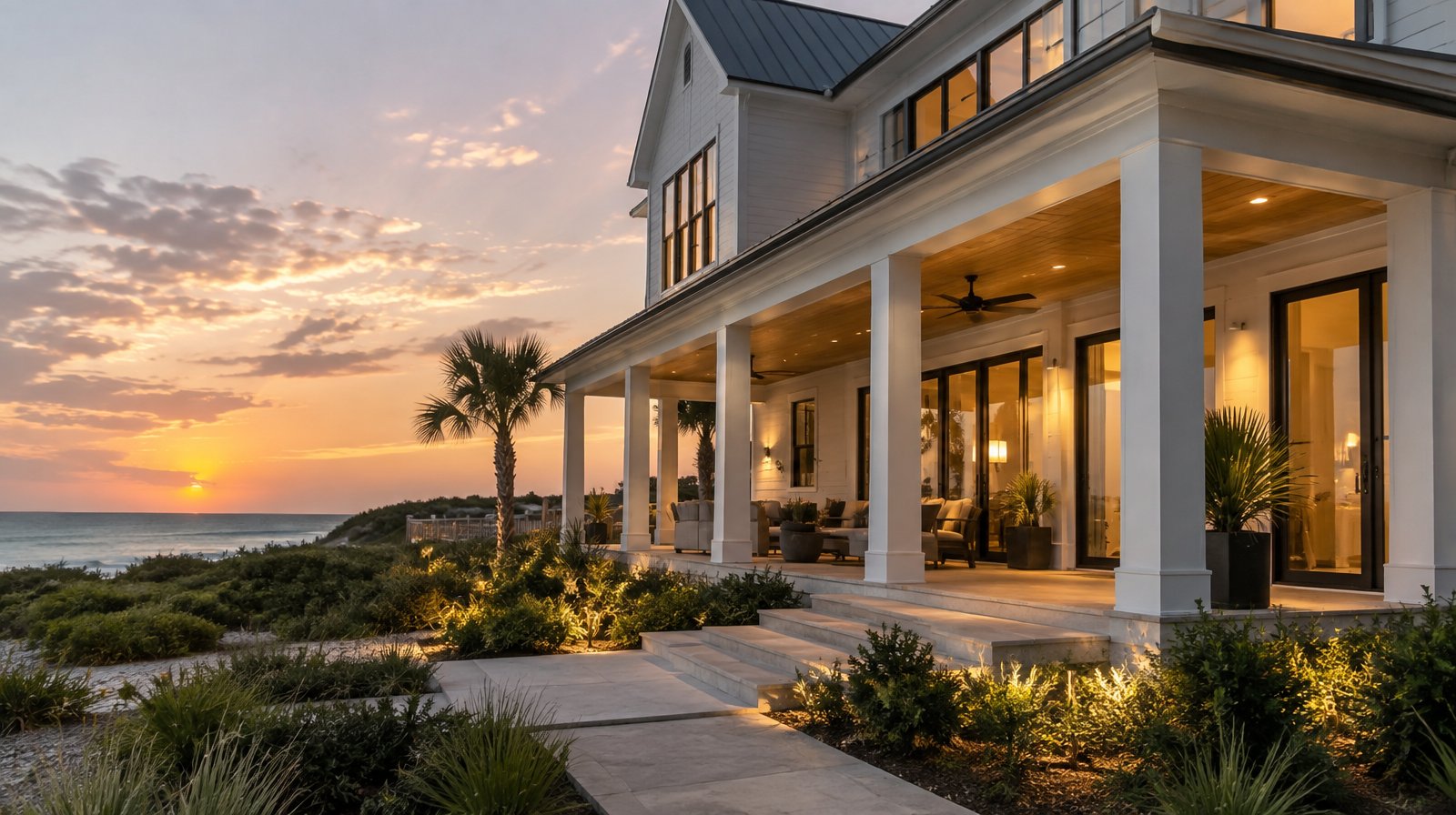
Point Clear homes often reward a restrained shade treatment. Large windows may call for quiet drapery that frames the garden, while a smaller study could use a fabric roller shade that disappears into the casing. The control should be easy to understand, but the hardware should remain secondary to the room’s proportions and materials.
Lutron and Somfy
Lutron is known for bringing lighting control and automated shades into one residential system. That matters when daylight, electric light, and scenes need to respond together. Somfy is a major motorization platform for shades and blinds, with a broad range of motor and control approaches and the ability to participate in larger connected-home systems.
The platform name is only one part of the selection. Confirm the motor type, fabric, window dimensions, power path, control method, and compatibility with the rest of the home. A shade that works well from a remote may need additional planning before it can respond to sun, occupancy, security, or a whole-home scene.
Retrofit or new construction?
Existing homes often call for selective automation. Start with the openings that create the most glare, heat, privacy concern, or daily inconvenience. Battery power, accessible surface mounting, and a small number of scenes may be the most respectful approach when walls and trim are already finished.
New construction creates more options. Power can be placed at the window, pockets can be coordinated with the architect, and the treatment can disappear into a ceiling or trim line. That freedom is valuable, but it still requires decisions about service access, fabric, and the final sightline.
A practical selection framework
Begin with the window’s orientation, dimensions, view, privacy requirement, and exposure to direct sun. Decide what the shade must accomplish before comparing fabrics or motors. Then choose the power strategy and identify how the homeowner will operate it: keypad, remote, app, sensor, schedule, or scene.
Lutron and Somfy are useful reference points, but the right system is the one that fits the window and the house around it. More concealment and coordination usually require earlier planning. A simpler retrofit may be easier to install but more visible. Which compromise best respects the particular Point Clear home?